Views: 0 Author: Site Editor Publish Time: 2026-10-26 Origin: Site


Imagine the constant hum of a busy Central Sterile Services Department. Trays of surgical instruments are continuously loaded and unloaded. Patient lives hang in the balance with every cycle. In these critical clinical environments, facility managers and sterile processing technicians face a relentless question. Are your sterilization methods actually keeping patients safe?
Facilities often struggle to verify true autoclave success. A machine might sound like it is running perfectly. However, mechanical gauges drift over time. Relying on chemical strips alone might hide dangerous microbial survival. Determining the absolute best method to verify that a sterilization cycle was successful is paramount for operational safety.
In this comprehensive guide, we will explore the hard engineering facts behind infection control monitoring. Both testing tools are essential components of a layered safety protocol. Yet, a biological test provides the ultimate definitive proof of sterility. It confirms the actual death of highly resistant microorganisms. Chemical strips merely confirm that the physical conditions for sterilization were met inside the chamber. By the end of this post, you will understand the fundamental differences between these methods. You will also learn how to make optimal purchasing decisions for your facility's equipment.
Biological Indicators are the Gold Standard: They serve as the only direct method to prove microbial lethality and guarantee true sterilization success.
Chemical Indicators Measure Parameters, Not Lethality: They verify that the sterilizer reached the correct temperature, pressure, and time. This provides immediate but strictly indirect results.
A Synergistic Approach is Required: Industry standards mandate the use of both chemical and biological tools together. This mitigates risk and eliminates operational blind spots.
Compliance is Non-Negotiable: Regulatory bodies strictly require routine biological monitoring to maintain legal and safety compliance in clinical and laboratory settings.
A biological indicator is a standardized test system containing a specific population of highly resistant viable microorganisms. In the context of standard steam sterilization, these are typically the thermophilic spores of Geobacillus stearothermophilus. Conversely, for ethylene oxide or dry heat sterilization, Bacillus atrophaeus spores are utilized.
The core purpose of this tool is to present the sterilization equipment with the highest possible biological challenge. Bacterial spores are dormant, hyper-resilient structures. They are capable of surviving extreme environmental stress, including intense heat, chemical exposure, and severe desiccation. The scientific premise is remarkably straightforward. If a sterilization cycle can successfully eradicate these benchmark spores, it is mathematically and biologically certain that all less-resistant vegetative bacteria, viruses, and fungi within the same load have also been destroyed. This concept forms the absolute foundation of modern infection control.
The operation of this testing device is an empirical process designed to test the actual lethality of an autoclave. Picture a sterile processing technician working with a self-contained biological indicator. It typically consists of a small plastic vial containing a spore-laden paper strip. This sits alongside a separate fragile glass ampoule filled with a specifically formulated growth broth.
Technicians place this vial inside the sterilizer. Ideally, it is tucked within a standardized test pack that simulates the densest instrument load the facility processes. After the sterilization cycle completes and the load cools, the vial is removed and activated. Activation involves carefully crushing the inner glass ampoule. This allows the purple growth medium to completely submerge the spore strip. The technician then places the vial into a specialized temperature-controlled incubator.
During incubation, the vial is closely monitored for signs of microbial growth. If the sterilization cycle failed, surviving spores will metabolize the broth. This produces acid as a byproduct. The acid triggers a pH indicator within the liquid, causing a distinct color change usually shifting from purple to yellow. In contrast, if the liquid remains its original pristine color, it confirms a successful kill. No spores survived the ordeal.
In the medical and scientific communities, absolute sterility is technically a probability. It is specifically measured by the Sterility Assurance Level. A standard level of ten to the power of negative six dictates that there is only a one-in-a-million chance that a single viable microorganism remains on a processed item.
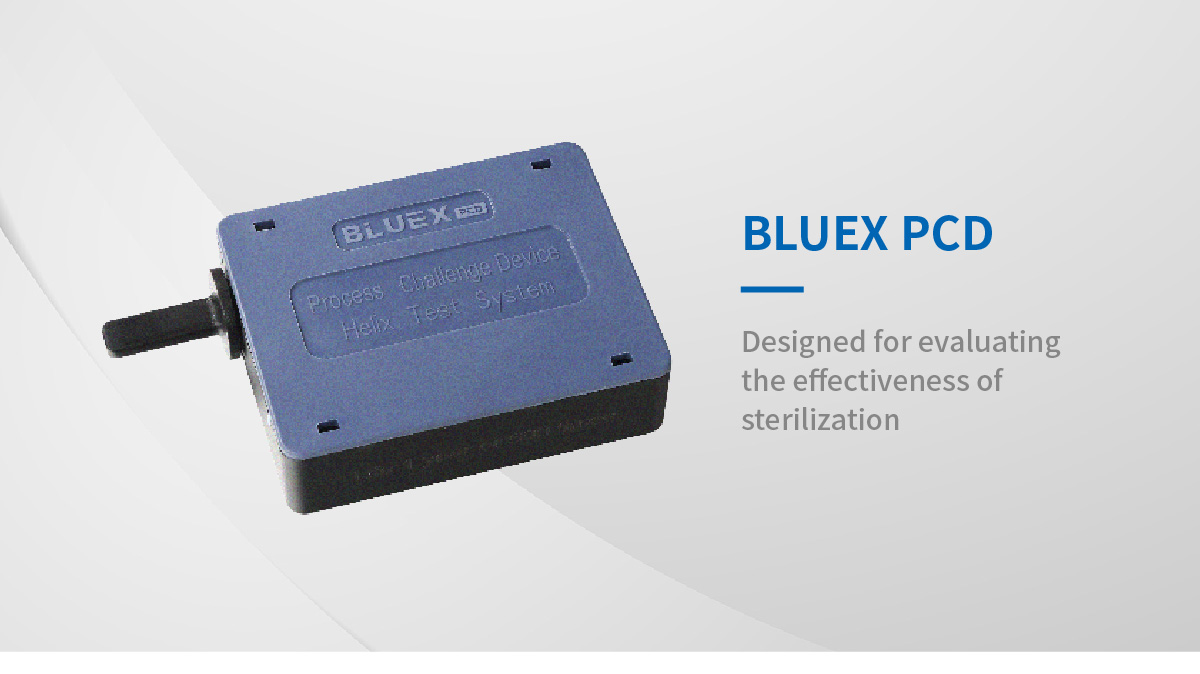
Using live organisms is the only monitoring method capable of confirming this level of safety. It accounts for the complex synergistic variables of steam penetration, temperature, and time in a way that mechanical gauges simply cannot. This ultimate verification step ensures high-level Sterility Assurance before any surgical instruments are allowed near a patient. Modern facilities often utilize integrated devices like a Paper Process Challenge Device to create a realistic penetration barrier, ensuring the steam has the power to reach the most difficult areas of a surgical pack.
Unlike its biological counterpart, a chemical indicator is an indirect monitoring device. It is formulated with sensitive chemical compounds engineered to undergo a physical or chemical change when exposed to specific environmental parameters. These handy tools come in various formats. You will commonly see adhesive tapes, paper strips, and printed cards on the CSSD floor.
They do not contain live organisms. Instead, their functionality relies entirely on thermodynamics and chemical kinetics. The specific inks or dyes are precisely calibrated. They melt, change color, or migrate across a paper wick only when a specific combination of heat, steam, and time is achieved inside the chamber. For instance, a common roll of autoclave tape might feature white stripes containing lead carbonate. When exposed to high-pressure steam and heat, a chemical reaction occurs. This forms black lead sulfide. It visually signals to the staff that the wrapped item was indeed exposed to the sterilization environment.
To standardize operations globally, the International Organization for Standardization categorizes these chemical tools into six distinct classes based on their precision and intended application.
Indicator Type | Classification Name | Function and Application |
|---|---|---|
Type 1 | Process Indicators | Used externally like autoclave tape to quickly differentiate processed from unprocessed items on a shelf. |
Type 2 | Specific-Use Indicators | Used in specific test procedures like the Bowie-Dick test to evaluate air removal and steam penetration. |
Type 3 | Single-Variable Indicators | Designed to react to only one critical parameter, such as reaching a specific peak temperature. |
Type 4 | Multi-Variable Indicators | Formulated to react to two or more critical variables, such as both time and temperature. |
Type 5 | Integrating Indicators | Highly precise indicators reacting to all critical variables. Calibrated to parallel the response of a biological test. |
Type 6 | Emulating Indicators | Cycle-specific indicators designed to verify that all critical parameters of a specifically defined cycle have been met. |
While Type 5 and Type 6 strips offer highly sophisticated data regarding the internal conditions of a surgical pack, it is crucial to remember their inherent limitation. They calculate lethality mathematically rather than proving it biologically.
The primary advantage of a chemical strip is unparalleled speed. Biological vials require an incubation period to yield results. Chemical dyes provide immediate real-time feedback. As soon as the heavy autoclave door swings open, technicians can visually inspect the load.
If the internal strips have darkened appropriately and the external tape has changed color, the technician gains instant assurance. The physical parameters of the cycle were achieved. This immediate feedback is absolutely critical for maintaining operational workflow in fast-paced surgical centers. It allows for the rapid turnaround of non-implantable instruments through routine Autoclave Monitoring.
The fundamental distinction between the two monitoring methods lies precisely in what they actually measure. A chemical strip measures physical parameters. It essentially states that the environment inside this chamber reached 121 degrees Celsius, maintained adequate steam pressure, and held those conditions for exactly 30 minutes.
Conversely, a biological vial measures true biological lethality. It boldly states that the conditions inside this chamber were severe enough to physically destroy a population of highly resistant bacterial spores. This distinction is not just semantics. It is critical to patient safety. Chemical dyes rely on the assumption that if the correct physical parameters are met, sterilization must have occurred. Biological tests bypass the assumption entirely and directly prove the outcome.
Feature | Biological Indicator | Chemical Indicator |
|---|---|---|
What it measures | Actual microbial death and true lethality. | Physical chamber conditions like heat and pressure. |
Result Speed | Requires incubation ranging from 20 minutes to 24 hours. | Immediate visual feedback upon door opening. |
Proof Level | Direct empirical proof of sterilization. | Indirect mathematical assumption. |
Best Use Case | Routine compliance testing and implantable load release. | Pack-by-pack internal penetration verification. |
In a strictly controlled theoretical environment, achieving the correct physical parameters guarantees sterilization. However, real-world clinical environments are messy. They are prone to variables that chemical dyes might completely miss.
Consider a dangerous scenario involving poor steam quality. This is often referred to as superheated steam. If the steam entering the autoclave lacks adequate moisture, it acts more like a dry oven. A chemical strip might still change color because the high ambient temperature was successfully reached. However, dry heat is significantly less lethal than moist heat. In this scenario, the chemical strip passes, providing a dangerous false sense of security. The biological vial would fail. It would reveal that the spores survived due to insufficient moisture penetrating their cellular walls.
Relying exclusively on chemical dyes introduces a severe vulnerability into an infection control protocol. One of the most common errors in sterile processing is the over-reliance on Type 1 process indicators like standard autoclave tape.
If a hurried technician sees that the external tape on a wrapped cassette has changed to black, they might falsely assume the instruments inside are perfectly sterile. Yet, Type 1 tapes only prove that the outside of the package was exposed to heat. They provide zero data regarding whether the steam actually penetrated into the dense center of the instrument set. Even if internal Type 4 or Type 5 strips are utilized, they remain vulnerable to the mechanical limitations of their chemical formulations. If a sterilizer malfunctions in a subtle way that satisfies the chemical dye but fails to deliver true biological lethality, the facility risks releasing contaminated instruments directly to the operating room.
Chemical strips are engineered to react at specific rigid thresholds. Unfortunately, they cannot account for the biological realities and unpredictable nature of actual pathogens. A microorganism's resistance can be heavily influenced by biofilms, microscopic organic debris left on improperly manually cleaned instruments, or subtle fluctuations in steam saturation.
Ultimately, a chemical indicator represents a mathematical approximation. It is merely a proxy. If a micro-failure occurs, such as a brief momentary drop in chamber pressure that does not fully stall the chemical reaction but is just enough to allow spore survival, the strip will likely not detect the discrepancy. Only a true biological challenge can detect these nuanced micro-failures. This makes it an indispensable tool for engineers and technicians alike.
Given the distinct advantages of speed and the limitations of indirect measurement, industry best practices dictate that medical, dental, and laboratory facilities should never choose one indicator over the other. A foolproof defensible sterilization protocol requires a synergistic approach.
Chemical strips provide the necessary rapid speed for load-by-load release. They help identify gross mechanical failures instantly before a load is even touched. Biological vials provide the definitive biological proof required for legal compliance and absolute patient safety. When deployed together, they create a layered impenetrable defense system that eliminates blind spots in the daily workflow.
To maximize both safety and departmental efficiency, facilities should implement a structured layered monitoring workflow. First, apply Type 1 process indicators to the outside of every single package. This prevents the disastrous accidental mixing of processed and unprocessed items on storage shelves.
Next, place a Type 4, Type 5, or Type 6 internal strip inside every pouch or wrapped cassette. Specifically position it in the geometric center or the area deemed hardest for steam to reach. This verifies that sterilizing conditions penetrated the packaging itself.
Finally, run a biological vial within a standardized challenge pack at least once a week. However, daily testing is strongly recommended by modern infection control experts to narrow the recall window in case of a failure. If a load contains implantable medical devices, a biological vial must be run with that specific load. Furthermore, those implantable items must be strictly quarantined and not released for surgical use until the vial's results are confirmed negative.
The rigorous use of biological testing is not merely a polite recommendation. It is heavily regulated and scrutinized by global health authorities. The Centers for Disease Control and Prevention guidelines explicitly state that all sterilizers must be biologically monitored at least weekly.
Furthermore, the Food and Drug Administration requires manufacturers of medical devices to validate their sterilization processes using biological tools that conform to ISO 11138 standards. Additionally, the Association for the Advancement of Medical Instrumentation sets forth strict standards that mandate biological monitoring for load release, particularly concerning implantable devices. Failure to adhere to these standardized testing frequencies can result in severe regulatory penalties, failed audits, and sudden facility closures.
Looking at recent industry analyses and global infection control symposiums, there is a clear paradigm shift occurring. Historically, facilities relied heavily on chemical strips for quick load releases due to the long wait times of traditional spore tests. Today, the industry is rapidly transitioning toward rapid-readout biological systems and stricter data logging.
Regulatory bodies are increasingly focusing on the digital traceability of sterilization cycles. This trend emphasizes that proving sterility is no longer just about changing a color on a strip. It is about providing undeniable digital and biological proof that a cycle was lethal. Facilities that fail to upgrade their monitoring protocols to align with these stricter, data-driven trends often find themselves highly exposed during sudden health department audits.
Beyond immediate patient safety, the use of biological testing serves a critical protective legal function. Facilities are mandated to maintain meticulous tamper-proof logbooks recording the results of every single Spore Test. These logs must include the date, specific sterilizer identification, cycle parameters, and the reviewing technician's signature.
In the unfortunate event of a healthcare-associated infection outbreak or an aggressive health department audit, these physical records serve as the facility's primary shield. A well-documented history of passing biological results provides objective empirical evidence that the facility maintained a legally compliant standard of care. Missing, incomplete, or failed biological records expose the facility to immense legal liability and devastating medical malpractice claims.
Establishing a foolproof infection control protocol requires more than just understanding theoretical differences. Facility managers and laboratory directors must make critical engineering decisions regarding the exact supplies they utilize daily. Sterilization is not a one-size-fits-all process. Different medical instruments require different modalities, ranging from traditional high-pressure steam to low-temperature chemical gases.
Consequently, the indicators used must be scientifically formulated to react to those specific environments. If a facility utilizes a standard steam autoclave, they must purchase indicators calibrated for steam. If the facility uses low-temperature methods like ethylene oxide, they must source entirely different organisms. Using a steam-calibrated chemical tape in a hydrogen peroxide plasma sterilizer will yield invalid and potentially dangerous results. Facility managers must carefully review the manufacturer's instructions for use to ensure strict compatibility.
Ultimately, the most sophisticated indicators in the world cannot compensate for failing outdated equipment. If a facility consistently experiences failed chemical tests or positive biological results, the root cause is rarely a defective indicator batch. More often, the failures stem from mechanical issues within the sterilizer itself. Compromised door gaskets, malfunctioning vacuum pumps, or inaccurate temperature sensors are common culprits.
To ensure consistent passing results on both chemical and biological fronts, facilities must prioritize their capital equipment. Upgrading to high-quality reliable machinery ensures that cycles run with precise thermodynamic accuracy. For example, premium sterilizers built to the European Class B standard utilize a 3-times pulsating vacuum system. This achieves a deep vacuum down to negative 0.8 bar, ensuring complete air removal before steam injection. This mechanical superiority drastically reduces the physical variables that lead to spore survival.
By pairing a rigorous monitoring protocol with a premium Biological Indicator testing schedule and state-of-the-art sterilizers, healthcare facilities can confidently protect their patients. Implementing tools like a Paper Process Challenge Device further validates that even the most complex hollow instruments are thoroughly sterilized.
Chemical strips provide indispensable instant feedback for daily loads. They allow busy departments to maintain their workflow without dangerous delays. However, they only measure the physical conditions inside the chamber, relying heavily on mathematical assumptions.
A biological test proves sterility much more effectively and definitively. By challenging the autoclave with highly resistant living microorganisms, it offers undeniable evidence of complete microbial lethality. It bridges the gap between assuming an instrument is safe and mathematically knowing it is safe.
Facilities must use both tools in a synergistic layered approach for ultimate safety. We strongly encourage you to review your current monitoring protocols to ensure strict compliance with modern guidelines. If your facility is experiencing inconsistent test results, it may be time to upgrade your core equipment. Explore the advanced range of sterilizers and infection control products at Yeson to guarantee true sterility assurance every single time.
The frequency of running a spore test is heavily dictated by industry regulations, the type of facility, and the specific guidelines set forth by organizations such as the CDC, FDA, and AAMI. As a baseline standard for most medical and dental facilities, the CDC strongly recommends conducting biological monitoring at least once a week for every sterilizer in active use. However, best practices in high-volume sterile processing departments often dictate daily testing to minimize the scope of a potential recall if a machine fails. Furthermore, if a sterilization load contains any implantable medical device, a biological test must be included in that specific load, and the items must be quarantined until the test yields a confirmed negative result.
Yes, this scenario is entirely possible and represents one of the most critical reasons why relying solely on chemical dyes is a dangerous practice. A chemical strip is designed to react to physical parameters, such as reaching 121 degrees Celsius. However, reaching a temperature does not guarantee lethality. If an autoclave is improperly loaded, or if the vacuum pump fails to remove all ambient air, air pockets can form inside the surgical packs. The dry heat within the air pocket may be hot enough to trigger the chemical ink to change color, resulting in a passing chemical test. Because the steam failed to penetrate the air pocket, the highly resistant spores inside the biological vial will survive, returning a positive failed result upon incubation.
A positive biological test is a critical event indicating a failure in the sterilization process; viable microorganisms survived the cycle. When this occurs, the specific sterilizer must be immediately taken out of service. Second, the facility must initiate a comprehensive recall. Every single item processed in that specific sterilizer since the last known negative spore test must be located, retrieved, quarantined, and completely reprocessed. The sterile processing team must then conduct a root cause analysis to repair the machine. Once repaired, the sterilizer must be challenged with multiple consecutive biological tests before it can be legally and safely placed back into active service.
No, biological indicators are strictly single-use devices. Attempting to reuse a vial or strip is a severe violation of infection control protocols and will completely invalidate your safety data. These indicators are precisely manufactured with a calibrated population of viable spores. Once the indicator has been exposed to a sterilization cycle and subsequently incubated, its internal biological and chemical composition is permanently altered. Reusing an indicator introduces massive risks of cross-contamination, false positives from previous microbial growth, or false negatives due to depleted spore populations. A brand-new, factory-sealed indicator must be used for every single test.
The difference lies in the method of measurement: indirect mathematical correlation versus direct biological proof. A Type 5 chemical indicator, also known as an integrating indicator, reacts to all three critical variables of the sterilization cycle and is formulated to mimic the thermal death curve of bacterial spores. Because of this precision, Type 5 indicators provide excellent immediate data. However, a Type 5 indicator is still a chemical approximation and does not contain living microorganisms. A biological indicator contains actual living highly resistant bacterial spores, providing undeniable direct proof that the conditions inside the chamber were severe enough to cause actual biological death.
The incubation time required to get definitive results from a biological indicator depends entirely on the technology used. Traditional spore tests often require 24 to 48 hours of incubation before a visual color change can confirm a pass or fail. However, modern sterile processing departments increasingly utilize rapid-readout biological indicators. These advanced systems use fluorescence technology to detect the presence of active microbial enzymes, delivering highly accurate results in as little as 20 minutes to 3 hours, allowing for much faster and safer instrument turnaround times.
Both are highly advanced chemical indicators, but they serve slightly different verification purposes. A Class 5 integrating indicator reacts to all three critical variables (time, temperature, and steam presence) and is designed to parallel the performance of a biological indicator across a range of sterilization cycles. A Class 6 emulating indicator, on the other hand, is cycle-specific. It is engineered to verify that the parameters of one specific, pre-defined cycle (for example, exactly 134 degrees Celsius for 4 minutes) have been met. Class 6 indicators are excellent for specific load verification but do not offer the broad cycle flexibility of a Class 5 indicator.