Views: 288 Author: Site Editor Publish Time: 2026-02-02 Origin: Site


Did you know that fluoride is added to drinking water to prevent cavities? While it has dental benefits, some people worry about its potential health risks. In this article, we'll explore whether water purifiers can remove fluoride. You'll learn about different filtration methods and the best options available.
Fluoride is a naturally occurring mineral that is commonly found in soil, rocks, and water. It is introduced into drinking water primarily to help prevent tooth decay by strengthening tooth enamel. Fluoride has been added to municipal water supplies since the mid-20th century, with optimal fluoride concentrations typically ranging from 0.7 mg/L to 1.5 mg/L, as recommended by health authorities like the U.S. Centers for Disease Control and Prevention (CDC).
Fluoride plays a key role in oral health, especially in reducing cavities by remineralizing weakened enamel. It helps protect teeth from harmful acids produced by bacteria in the mouth, preventing decay. However, while fluoride offers significant dental benefits, it has raised health concerns due to potential overconsumption, which may lead to negative health effects.
| Fluoride Levels in Water | Health Effectiveness | Health Risks |
|---|---|---|
| 0.7 to 1.5 mg/L | Optimal for dental health | Minimal risks, generally safe |
| Above 1.5 mg/L | Higher concentrations linked to dental benefits but increased risk of dental fluorosis | Higher risks of dental and skeletal fluorosis |
While fluoride is beneficial for dental health, its excessive consumption can cause adverse effects. Dental fluorosis, a condition resulting from overexposure during childhood, causes white spots or discoloration of the teeth. In more severe cases, skeletal fluorosis can occur, leading to joint pain, stiffness, and even limited mobility.
Although these conditions are rare in areas with regulated fluoride levels, the situation can be concerning in places where fluoride concentrations exceed safe limits. In addition to these visible effects, several studies have raised concerns about the potential long-term impact of fluoride on health. Some researchers suggest that prolonged exposure to fluoride may be linked to developmental or neurological issues, especially in children, prompting some individuals to seek alternative fluoride-free water sources.
| Fluoride-Related Health Risks | Symptoms | Prevention |
|---|---|---|
| Dental Fluorosis | White spots, enamel discoloration | Limit fluoride exposure during early childhood |
| Skeletal Fluorosis | Pain, stiffness, joint issues | Ensure fluoride concentrations remain within safe limits |
| Neurological Effects (e.g., developmental issues) | Brain developmental issues in children | Use fluoride removal methods when necessary |
Fluoride removal from drinking water requires specialized filtration techniques. Unlike other common contaminants such as chlorine or sediment, fluoride is a negatively charged ion (anion). This makes it more challenging to remove with basic filtration methods.
Traditional filters like activated carbon are excellent at eliminating organic compounds and chlorine, improving taste and odor. However, activated carbon filters do not remove fluoride effectively, as fluoride molecules are small and tightly bonded to water molecules. As a result, specialized systems are needed to reduce fluoride concentrations.
| Common Water Filters | Fluoride Removal Efficiency | Best Use Cases |
|---|---|---|
| Activated Carbon Filters | Minimal, not effective | Good for removing chlorine and improving taste |
| Reverse Osmosis (RO) Filters | High (up to 95%) | Ideal for fluoride removal, highly effective |
| Distillation Filters | High (removes most contaminants including fluoride) | Suitable for total purification, but energy-intensive |
Activated carbon filters are a staple in many water purification systems due to their ability to improve water taste and remove common contaminants such as chlorine, volatile organic compounds (VOCs), and heavy metals. However, these filters are ineffective at removing fluoride. They can only slightly reduce fluoride concentrations, making them unsuitable for those looking to specifically remove fluoride from drinking water.
If fluoride removal is a priority, it is recommended to avoid relying on activated carbon filters and opt for systems that are designed to target fluoride more effectively.
| Filter Type | Effectiveness at Removing Fluoride | Other Contaminants Removed | Best Use For |
|---|---|---|---|
| Activated Carbon Filters | Low to none | Chlorine, heavy metals, organic chemicals | Improving taste and odor, general filtration |
Reverse osmosis (RO) is one of the most effective methods for fluoride removal. This filtration process involves pushing water through a semipermeable membrane that traps larger molecules and contaminants, including fluoride. RO systems can remove up to 95% of fluoride, making them highly effective for individuals concerned about high fluoride concentrations in their water.
While RO systems provide superior fluoride reduction, they come with a few considerations. These systems typically require installation under the sink or as countertop units. Additionally, RO systems are known to waste a significant amount of water during the filtration process, and the upfront costs can be higher than other filtration options.
| Filter Type | Effectiveness at Removing Fluoride | Other Contaminants Removed | Best Use For |
|---|---|---|---|
| Reverse Osmosis (RO) | High (up to 95%) | Lead, chlorine, PFAS, nitrates | Fluoride reduction, thorough purification |
Distillation filters are another highly effective method for removing fluoride from water. This process involves boiling the water to create steam, which is then condensed back into liquid form, leaving contaminants—including fluoride—behind. Distillation filters are highly efficient at removing most contaminants, including fluoride. However, they do have some downsides, including high energy consumption and higher initial costs compared to other systems like reverse osmosis. While distillation is effective, it can be less practical for everyday use due to the energy required and the time needed for the process.
| Filter Type | Effectiveness at Removing Fluoride | Other Contaminants Removed | Best Use For |
|---|---|---|---|
| Distillation Filters | High | Heavy metals, bacteria, chlorine | Complete purification, ideal for those with high fluoride levels |
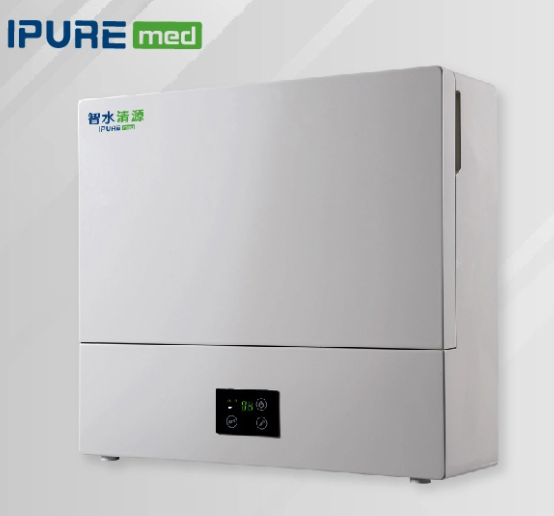
The YESON Advanced Water Purification System is an excellent choice for those looking to reduce fluoride levels in their water. With a proven fluoride reduction capacity of over 90%, it ensures high efficiency. The system uses cutting-edge filtration technology specifically designed to remove fluoride, along with other contaminants like chlorine and heavy metals, ensuring cleaner, healthier drinking water.
Pros:
Removes up to 90% of fluoride.
Reduces chlorine, heavy metals, and other contaminants.
Easy to install and maintain.
YESON Portable Water Filter Pitcher
For a more portable and budget-friendly solution, the YESON Portable Water Filter Pitcher is a great option. It removes over 95% of fluoride, making it one of the most effective pitchers for fluoride filtration. Equipped with a multi-stage filtration system, it uses activated alumina to efficiently filter out fluoride, ensuring purified water for everyday use.
Pros:
Removes up to 95% of fluoride.
Compact and portable for easy daily use.
Comes with a reliable lifetime warranty.
YESON Reverse Osmosis Water Filter
The YESON Reverse Osmosis (RO) Water Filter is an under-sink filtration system that eliminates 90%-95% of fluoride. Utilizing advanced RO technology, it efficiently removes fluoride along with harmful contaminants like lead, chlorine, and PFAS. Though priced higher initially, this system offers long-term fluoride-free water and is perfect for large households.
Pros:
Removes 90%-95% of fluoride.
High capacity ideal for large households.
Compatible with both city and well water systems.
While many people turn to common methods like boiling water or letting it sit out to reduce fluoride, these methods are ineffective. Boiling water will not reduce fluoride levels, and simply letting water sit will not cause fluoride to evaporate. Boiling or leaving water to sit does not remove fluoride. Instead, invest in a reliable filtration system like reverse osmosis.
For most individuals, fluoride levels in drinking water are not high enough to cause health problems. However, in areas with high levels of fluoride or for individuals with specific health concerns, removing fluoride may be necessary. Before deciding, consider the fluoride levels in your local water supply and consult with a water expert to determine the best course of action. Use a home water test to measure fluoride levels before investing in a fluoride removal system.
Water purifiers can remove fluoride, but their effectiveness varies by filter type. Activated carbon filters are not effective for fluoride removal. Reverse osmosis and distillation filters, however, are highly efficient. For those concerned about fluoride in drinking water, reverse osmosis filters provide long-term, effective fluoride reduction.
To ensure your water is fluoride-free, consider investing in high-quality purifiers like the Epic Pure Countertop Water Filter or the Moen Reverse Osmosis System. For reliable solutions, visit YESON, where their products offer excellent value and fluoride protection.
A: No, not all water purifiers remove fluoride. Activated carbon filters do not effectively remove fluoride. For fluoride removal, a water purifier for fluoride removal, like reverse osmosis or distillation filters, is required.
A: Water purifiers that use reverse osmosis or distillation can remove fluoride by separating it from the water through a filtration process. These methods are highly effective in reducing fluoride levels.
A: Some people prefer to remove fluoride due to concerns over its long-term health effects, including dental fluorosis. Using a water purifier for fluoride removal can help reduce fluoride exposure.