Views: 0 Author: Site Editor Publish Time: 2026-03-10 Origin: Site


Ultrasonic cleaners are powerful devices that clean delicate items using high-frequency sound waves. These waves generate microscopic bubbles in a cleaning solution, which implode and remove dirt, oil, and contaminants. In this article, we’ll explore how ultrasonic cleaners work and how they benefit industries like jewelry, electronics, medical equipment, and automotive parts. At YESON, our ultrasonic cleaners are designed for efficiency, providing reliable cleaning solutions for various needs.
The core principle behind ultrasonic cleaning is cavitation. Ultrasonic cleaners generate high-frequency sound waves that create microscopic bubbles in the cleaning solution. These bubbles grow and collapse rapidly, generating powerful energy that dislodges dirt, oil, and contaminants from the surface of objects. The implosion of the bubbles produces high-impact scrubbing action, which helps clean even the most difficult-to-reach areas. This method ensures a thorough and precise cleaning without any physical contact, making it particularly useful for delicate items.
Ultrasonic cleaners work in a similar way to the cleaning action produced by scrubbing, but with much more precision. The cavitation effect reaches deep into crevices and intricate surfaces, making it highly effective for cleaning intricate designs like jewelry, electronics, and surgical tools.
An ultrasonic cleaner typically consists of three main components:
1. Tank: The container that holds the cleaning solution and items to be cleaned.
2. Transducer: A component that generates ultrasonic sound waves, producing the cavitation effect.
3. Generator: Powers the transducer and controls the frequency and intensity of the ultrasonic waves. Some ultrasonic cleaners also feature heating elements to enhance cleaning performance by loosening grease and oils.
By adjusting the frequency, power, and temperature, ultrasonic cleaners can be tailored to clean a wide range of items effectively.
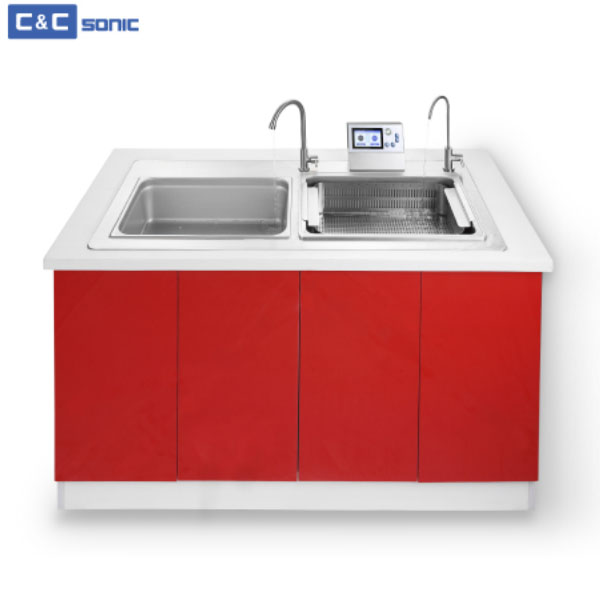
One of the most popular uses of ultrasonic cleaners is in the jewelry industry. Jewelry pieces, including rings, necklaces, and bracelets, can accumulate dirt, oils, and tarnish over time. Ultrasonic cleaners remove these contaminants without damaging delicate gemstones or metals. The cavitation process cleans deep within the intricate settings and fine details of jewelry, making it look as good as new. Ultrasonic cleaners are an ideal solution for jewelers who need to clean multiple pieces efficiently.
In jewelry cleaning, a mild detergent solution mixed with distilled water is commonly used. The ultrasonic waves remove oils, dirt, and grime, restoring the shine of precious metals like gold, silver, and platinum.
In medical and dental fields, ultrasonic cleaners are invaluable for cleaning surgical instruments, dental tools, and diagnostic equipment. These tools are often exposed to contaminants such as blood, tissue, and oils, which can be difficult to remove with traditional cleaning methods. Ultrasonic cleaning ensures that these items are thoroughly cleaned, eliminating the risk of infections and ensuring they are sanitized before reuse.
Ultrasonic cleaning technology is particularly beneficial in medical environments where sterilization and hygiene are critical. The high-frequency sound waves penetrate all areas of surgical tools, cleaning intricate components that are difficult to access with manual methods.
The electronics industry relies heavily on ultrasonic cleaners for cleaning circuit boards, sensors, and other delicate components. These components can accumulate flux residues, oils, and dust, which affect their performance. Ultrasonic cleaning effectively removes these contaminants, improving the functionality and longevity of electronic devices.
Ultrasonic cleaners for electronics typically use a combination of distilled water and specialized cleaning solutions that are safe for sensitive electronic components. The ultrasonic waves remove flux and solder paste without damaging the components, making this process ideal for industries that require precision and reliability.
Application | Cleaning Solution Ratio | Water Type |
Jewelry Cleaning | 10% Solution | Distilled Water |
Medical Tools | 5% Solution | Distilled Water |
Electronics | 10% Solution | Distilled Water |
In automotive and aerospace industries, ultrasonic cleaners are used to clean complex engine parts, fuel injectors, and turbine blades. These parts often accumulate stubborn contaminants such as oil, grease, and carbon, which ultrasonic cleaning can easily remove. The ability to clean parts with intricate geometries and difficult-to-reach areas makes ultrasonic cleaning indispensable in these sectors.
The ultrasonic cleaning process ensures that automotive and aerospace components are free of contaminants that could interfere with performance, ensuring that the parts meet safety and quality standards.
One of the greatest advantages of ultrasonic cleaners is their precision. The cavitation process reaches deep into small cracks and crevices, ensuring that no dirt or contaminants are left behind. This level of detail is particularly important for delicate items like jewelry, medical instruments, and electronics. Ultrasonic cleaning provides a thorough clean without any physical contact, which is crucial for maintaining the integrity of sensitive items.
Ultrasonic cleaners are much faster than traditional cleaning methods. By cleaning multiple items simultaneously, ultrasonic cleaning increases efficiency, saving valuable time and reducing labor costs. Industries such as jewelry manufacturing, medical sterilization, and electronics production can benefit from the time-saving capabilities of ultrasonic cleaners.
Ultrasonic cleaning is an environmentally friendly option as it primarily uses water-based solutions, reducing the need for harsh chemicals and solvents. This makes it a safer and more sustainable alternative to traditional cleaning methods. Ultrasonic cleaners also require less cleaning solution, making them more economical and reducing waste.
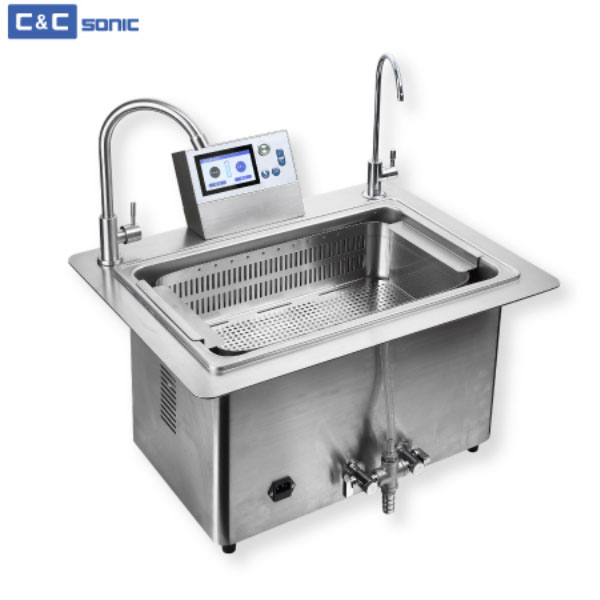
The size of the ultrasonic cleaner you choose depends on the items you plan to clean. Small jewelry items require a compact ultrasonic cleaner, while larger parts such as automotive components may require a larger tank. Choosing the correct size ensures that the items can be fully immersed in the cleaning solution for an optimal clean.
Ultrasonic cleaners come in different frequencies, typically ranging from 20 kHz to 400 kHz. Higher frequencies are ideal for cleaning delicate items like jewelry and electronics, as they create smaller bubbles that are gentler on the items. Lower frequencies are better suited for industrial cleaning, as they generate larger bubbles that can remove tough contaminants more effectively.
Power is another important factor. Higher power settings are suitable for tough cleaning tasks, while lower power settings are ideal for more delicate items. Make sure to select an ultrasonic cleaner with the appropriate power and frequency for the items you need to clean.
Some ultrasonic cleaners come with built-in temperature control, which helps improve the cleaning process. Heating the cleaning solution can help loosen stubborn contaminants like grease and oils. For industries that require deeper cleaning, such as medical or automotive sectors, ultrasonic cleaners with temperature control are highly effective.
To maintain the efficiency of your ultrasonic cleaner, it’s essential to perform regular cleaning and inspections. After each use, drain the cleaning solution and rinse the tank with distilled water to prevent buildup. Periodically inspect the ultrasonic transducers for damage, as well as other parts of the cleaner, to ensure everything is functioning properly.
Using the appropriate cleaning solution for your items is essential for achieving optimal cleaning results. Different cleaning solutions are designed for different applications, such as jewelry cleaning or medical instrument cleaning. Always use the solution recommended for the type of items you’re cleaning.
The cleaning solution in an ultrasonic cleaner should be replaced regularly. Over time, the solution becomes contaminated with dirt, oils, and other residues, reducing its effectiveness. Always check the solution after each cleaning cycle, and replace it as needed to ensure the ultrasonic cleaner continues to perform efficiently.
Maintenance Task | Frequency | Notes |
Clean Tank | After each use | Prevents residue buildup |
Inspect Transducer | Monthly | Ensure it’s free from dirt or damage |
Replace Solution | After each use | Prevents contamination of new items |
Ultrasonic cleaners are highly effective tools that clean a wide range of items with precision. They save time, reduce labor costs, and provide eco-friendly cleaning. By selecting the right ultrasonic cleaner and maintaining it properly, you ensure optimal performance. At YESON, our ultrasonic cleaners are designed for durability and efficiency, offering the best cleaning solutions across various applications. By following the tips in this article, you can ensure your ultrasonic cleaner delivers exceptional results for jewelry, medical instruments, and industrial parts.
A: An ultrasonic cleaner uses high-frequency sound waves to create microscopic bubbles in a cleaning solution. These bubbles implode, removing dirt, oil, and contaminants from surfaces.
A: Ultrasonic cleaners are used for cleaning jewelry, medical instruments, electronics, automotive parts, and other delicate or intricate items, ensuring thorough cleaning without damage.
A: Ultrasonic cleaning is effective because it uses cavitation to reach small crevices and hard-to-reach areas, providing a deep clean that manual cleaning methods can’t achieve.
A: Regular cleaning after each use is important to maintain the ultrasonic cleaner’s performance, prevent buildup, and ensure efficient cleaning results.