Views: 465 Author: Site Editor Publish Time: 2026-01-28 Origin: Site


Water is essential for life, but not all sources are safe. Contaminants like bacteria, chemicals, and heavy metals can make water unsafe. Fortunately, Water Purifiers are designed to solve this problem, ensuring safe drinking water. But how do these devices actually work?
In this article, we will explore how Water Purifiers function, the technologies they use, and how they keep your water clean and safe. You'll gain insights into the multi-stage purification process and the benefits of each technology.
Water purifiers are designed to remove contaminants from water through a comprehensive, multi-stage process. This method involves various filtration technologies that target different types of impurities, ensuring that your water is clean, safe, and free from harmful substances. Each stage of the purification process is crucial in improving the overall quality of water, and by using different techniques, water purifiers can effectively address a broad range of contaminants. These stages work together to not only make the water physically clean but also improve its taste and safety for drinking. By utilizing this multi-stage approach, water purifiers provide comprehensive protection for your health and the environment.
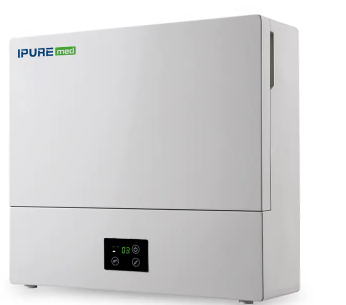
The purification process begins with pre-filtration, which is the first barrier in the water filtration system. During this stage, water flows through sediment and activated carbon filters that effectively remove large particles like sand, dirt, rust, and other debris. This initial filtration step is essential because it prevents these larger particles from clogging the more delicate filters in the subsequent stages. In addition to improving the clarity of water, pre-filtration helps extend the lifespan of the more advanced filters, reducing the need for frequent replacements and saving on maintenance costs. Furthermore, pre-filtration ensures that the more sensitive filtration systems, such as reverse osmosis and UV sterilization, can perform efficiently without damage. It is a vital step that helps maintain the effectiveness of the entire purification process.
Reverse Osmosis (RO) technology is one of the most powerful and effective filtration methods used in water purifiers. In an RO system, water is forced through a semi-permeable membrane, which allows only water molecules to pass through while blocking harmful dissolved solids like salts, heavy metals, chemicals, and other contaminants. This process relies on pressure to push water molecules through the membrane, leaving impurities behind. RO is particularly effective in areas where water has high Total Dissolved Solids (TDS), such as areas with hard water or industrial contamination. By removing harmful substances like calcium, magnesium, lead, and arsenic, RO systems turn water into a clean, soft, and safe drinking source. It’s a vital step that ensures water is free from potentially dangerous chemicals and substances that could negatively impact health.
Some advanced water purifiers also include Ultraviolet (UV) sterilization as a key step in the purification process. UV sterilization is effective in addressing biological contaminants such as bacteria, viruses, and other pathogens. During this stage, water is exposed to UV light, which disrupts the DNA of microorganisms, preventing them from reproducing and rendering them harmless. This method does not alter the chemical composition or the taste of the water, making it an excellent non-invasive solution for ensuring microbiological safety. UV sterilization is particularly valuable in areas where biological contamination is a primary concern. It provides an additional layer of protection by eliminating harmful microorganisms that could cause waterborne diseases like E. coli, Salmonella, or cholera.
After the water has been sterilized and stripped of harmful chemicals, it passes through an activated carbon filter. This filter plays a significant role in enhancing the taste and smell of the water. Activated carbon is known for its high absorption capabilities, which allow it to trap chlorine, pesticides, volatile organic compounds (VOCs), and other organic chemicals commonly found in municipal water supplies. It also absorbs unpleasant odors and chemicals that may linger in the water, improving its overall flavor and making it more enjoyable to drink. This stage addresses important aspects of water quality, ensuring that the water is not only clean but also fresh-tasting and odor-free, making it more palatable for everyday consumption.
In the final stages of the purification process, water may undergo an additional post-filtration step or be stored in a tank equipped with UV or antimicrobial protection. This final step is crucial to ensure that water remains pure and free from contaminants until it is used. Post-filtration filters further refine the water, removing any remaining impurities that might have passed through the previous stages. Storage tanks with built-in UV protection prevent any recontamination during storage, keeping the water fresh and safe. By ensuring that the water remains free from harmful substances until it is needed, this final safeguard contributes to maintaining the overall safety of the water. This step ensures that the water is always ready for consumption without any risk of secondary contamination.
| Stage | Filtration Method | Key Benefits |
|---|---|---|
| Pre-Filtration | Sediment & Activated Carbon Filters | Removes large particles (sand, dirt, rust), protects subsequent filters, improves water clarity. |
| Reverse Osmosis (RO) | Semi-Permeable Membrane | Removes dissolved solids, heavy metals, salts, lead, arsenic, and other chemicals. Softens water. |
| UV Sterilization | UV Rays | Kills bacteria, viruses, and pathogens without altering taste or chemical composition. |
| Activated Carbon | Activated Carbon Filter | Removes chlorine, pesticides, and odors. Improves taste and smell. |
| Post-Filtration & Storage | Post-Filtration Filter / UV Protection | Ensures water remains pure, prevents recontamination, keeps water fresh until consumption. |
A multi-stage purification system is far superior to relying on a single filtration method. Each filtration stage targets a specific type of contaminant, making the process far more effective in removing a wide range of impurities. Water is a complex mixture that contains various contaminants, from large particles like sand to microscopic pathogens like bacteria and viruses. By using different filtration techniques, such as sediment filtration, reverse osmosis, UV sterilization, and activated carbon, a multi-stage system can address all of these contaminants effectively. This layered approach not only maximizes the efficiency of the purification process but also ensures that every type of impurity is removed from the water. The result is a higher quality of water that is safe to drink and better for your health.
Understanding the technologies used in water purifiers helps consumers make informed decisions. Each technology serves a unique purpose in the purification process. Reverse Osmosis (RO) is ideal for removing dissolved solids, heavy metals, and harmful chemicals. UV sterilization is perfect for eliminating biological contaminants like bacteria and viruses without altering the water's taste or composition. Activated carbon is used to improve taste and remove odors, while ultra filtration (UF) provides a gentler filtration method that retains essential minerals. Each of these technologies works together to ensure that water is not only clean but also safe and enjoyable to drink.
| Technology | Purpose | Benefits |
|---|---|---|
| Reverse Osmosis (RO) | Removes dissolved solids, heavy metals, and chemicals | Highly effective in high TDS areas; produces soft, clean, and safe water. |
| UV Sterilization | Kills microorganisms like bacteria and viruses | Ensures water is microbiologically safe without changing taste. |
| Activated Carbon | Removes chlorine, organic compounds, and odors | Improves taste and odor, making water more palatable and enjoyable. |
| Ultra Filtration (UF) | Removes larger particles like bacteria and viruses | Ideal for low TDS areas; retains beneficial minerals while ensuring safety. |
Choosing the right water purifier depends on several factors, including the quality of your water, the specific contaminants present, and your budget. Before making a purchase, it is essential to test the water to identify contaminants such as Total Dissolved Solids (TDS), chlorine, heavy metals, and bacteria. Based on the results of your water quality test, you can determine which filtration technologies will be most effective. For example, if your water has high TDS, a Reverse Osmosis (RO) system may be necessary. Additionally, consider the long-term costs, including filter replacements and maintenance. The right purifier will not only address your immediate water quality issues but also be affordable and easy to maintain over time.
Water purifiers offer significant health benefits by removing harmful contaminants that can lead to serious diseases. By ensuring that your water is free from bacteria, heavy metals, and harmful chemicals, purifiers protect you and your family from the risks of waterborne diseases and chemical exposure. Moreover, water purifiers can extend the life of your plumbing and appliances by preventing scale buildup and mineral deposits. They also have a positive environmental impact by reducing the need for bottled water, thus cutting down on plastic waste. Using a water purifier is not only a smart investment in your health but also a sustainable choice that benefits the environment.
Water purifiers play an essential role in ensuring the safety and quality of our drinking water. By utilizing a multi-stage process that incorporates technologies like Reverse Osmosis, UV sterilization, and activated carbon, these devices effectively remove contaminants, enhance water taste, and improve overall water quality. Understanding how water purifiers work can help you make informed decisions about which system is best for your home, ensuring access to clean, safe water for you and your family. If you're unsure about the water quality in your area, consider getting a water test to help you choose the most suitable purifier for your needs.
For reliable and efficient Water Purifiers, YESON offers advanced solutions to improve water safety and quality. YESON provides top-notch products designed to meet your needs and ensure clean, pure water for your home. Explore their range today to find the perfect fit for your water purification needs.
A: A water purifier is a device that removes contaminants from water, improving its quality and making it safe to drink. It works through various filtration methods, including Reverse Osmosis (RO), UV sterilization, and activated carbon filters.
A: Water purifiers use multiple filtration processes like sediment filtration, RO, UV sterilization, and activated carbon to remove impurities such as chemicals, bacteria, and heavy metals from water.
A: Water purifiers ensure the removal of harmful contaminants from drinking water, improving safety and taste while preventing waterborne diseases and chemical exposure.