Views: 0 Author: Site Editor Publish Time: 2025-12-19 Origin: Site


Autoclaves, also known as steam sterilizers, are essential in industries requiring absolute sterility. These machines use high-pressure steam to sterilize medical, laboratory, and industrial tools. By applying intense heat and pressure, autoclaves eliminate harmful microorganisms, ensuring safe use in sensitive environments.
In this article, you will learn how an autoclave sterilizer works and why it is crucial for various industries. We'll also explore the key components, cycles, and factors affecting the sterilization process.
An autoclave sterilizer is a device that uses pressurized steam to kill microorganisms, including bacteria, viruses, and fungi, on various materials. Typically found in medical, laboratory, and industrial environments, autoclaves are used to sterilize instruments and equipment that require high levels of cleanliness. The use of steam under pressure makes autoclaving a superior method for killing resistant microorganisms, such as spores, that are difficult to eliminate with other sterilization methods.
Autoclaves are composed of several critical components that work together to ensure the sterilization process is effective and efficient:
Component | Description |
Vessel | The main chamber where the items to be sterilized are placed. It is usually made of high-quality stainless steel. |
Control System | The system that monitors and controls the sterilization cycle, including temperature, pressure, and duration. It often features digital interfaces for precision. |
Thermostatic Trap | Allows for the removal of condensate (water) and prevents dry steam from passing through. This ensures that sterilization is carried out effectively. |
Safety Valve | Ensures that the autoclave does not exceed its maximum safe pressure. |
Vacuum System | Some autoclaves use vacuum pumps to remove air from the chamber, allowing steam to penetrate better, especially for porous materials. |
There are several types of autoclaves, each designed for specific sterilization needs:
● Gravity Displacement Autoclaves: These are the most basic type. They work by filling the chamber with steam, which displaces the air through a drain port.
● Pre-Vacuum Autoclaves: More advanced, these autoclaves use a vacuum pump to remove air before introducing steam, improving steam penetration into porous items.
Autoclaves are often compared to other sterilization methods, such as dry heat sterilization. While both are effective, autoclaves use steam, which is a more efficient heat transfer medium. This makes autoclaves faster and more effective than dry heat sterilizers, especially for eliminating microorganisms like spores.
Autoclaves are incredibly effective in sterilizing various materials through a combination of heat, pressure, and steam. These components work together to destroy harmful microorganisms and ensure that the items inside the autoclave are free of bacteria, viruses, fungi, and other pathogens. In this section, we will explore how heat and pressure function to sterilize, the critical role of steam in this process, and the concept of Sterilization Assurance Levels (SAL).
Autoclaves rely on the fundamental principle that heat and pressure can destroy microorganisms, ensuring that items undergo a reliable sterilization process. The combination of heat and steam effectively denatures the proteins within microorganisms, disrupting their cellular structure and ultimately leading to their death.
In an autoclave, steam is introduced into the chamber, rapidly increasing the temperature and pressure. This process alters the microbe's cell walls, causing them to break down and die. By subjecting items to these extreme conditions, autoclaves eliminate even the most resistant bacteria and viruses, including spore-forming microbes that are harder to sterilize with other methods.
Steam is considered one of the most efficient mediums for sterilization, as it can transfer heat much more effectively than dry heat or boiling water. When steam is introduced into the autoclave chamber, it condenses into water when it encounters cooler surfaces. This condensation releases energy—known as latent heat—into the item being sterilized, allowing for deep penetration into materials, especially those that are porous.
Steam’s superior heat transfer properties make it highly effective at killing microorganisms. The moisture in steam allows it to penetrate materials more thoroughly, ensuring that every surface receives the required heat to kill harmful pathogens. This makes steam more efficient than dry heat, which has less thermal energy transfer capability.
Sterilization is a probabilistic event, not an absolute one. To define the likelihood of successful sterilization, the Sterility Assurance Level (SAL) is used. The SAL measures the probability of a microorganism surviving after undergoing the sterilization process. For example, an SAL of 10^-6 means that there is only a one-in-a-million chance that any microorganism will survive the autoclave’s sterilization process.
This concept is essential because it ensures that sterilization is not just a one-time event but a statistically validated process. It provides confidence that the sterilization cycle has been effective in removing harmful pathogens to an acceptable level. The higher the SAL, the greater the confidence in the sterilization process.
The sterilization cycle begins with the purge phase, where steam is introduced into the autoclave chamber. The primary purpose of this phase is to remove the air that initially fills the chamber. Air is not as efficient at transferring heat as steam, and its presence could interfere with the steam’s ability to fully sterilize the materials.
During this phase, the autoclave’s control system gradually raises the temperature and pressure inside the chamber. The air is displaced by the steam, which begins to accumulate inside the chamber, starting the process of warming the items to be sterilized.
As steam replaces the air, the pressure inside the chamber begins to rise, and the temperature increases steadily. This phase is crucial because it ensures that the environment inside the autoclave becomes suitable for the sterilization phase that follows. The correct balance of pressure and temperature is necessary to create the optimal conditions for steam penetration and microbial destruction.
During the exposure phase, the autoclave's control system seals the chamber to ensure that no air can escape or enter. This is a critical step in maintaining the necessary conditions for effective sterilization. At this point, the steam pressure and temperature are raised to the desired setpoint, ensuring that they remain stable throughout the sterilization process.
Once the chamber is sealed, the items inside are exposed to steam at the sterilization temperature for a predetermined amount of time. This exposure ensures that all microorganisms, including bacteria, viruses, and spores, are killed by the combination of heat and pressure. The sterilization duration may vary depending on the type of material being sterilized and the desired Sterility Assurance Level (SAL).
● Standard Temperature for Sterilization: The typical temperature during this phase is around 121°C (250°F), but some autoclaves can operate at higher temperatures depending on the material being processed.
Once the sterilization exposure time has been completed, the exhaust phase begins. The pressure within the autoclave is gradually released through an exhaust valve, and the steam inside the chamber is allowed to escape. This controlled release of pressure prevents any sudden changes that might damage the sterilized items or cause other safety issues.Restoring Ambient Pressure
After the pressure is released, the chamber returns to ambient pressure, and the items inside are typically still hot. In some autoclaves, filtered air may be reintroduced into the chamber to facilitate a safe transition back to normal atmospheric conditions. This is an essential step for ensuring that the sterilized items are safely removed without the risk of burns or contamination.
The duration of the sterilization cycle plays a vital role in ensuring complete sterilization. The time required to sterilize a load of items depends on various factors, including the type of materials being sterilized, their porosity, and the load size. For most materials, the standard sterilization cycle lasts between 15 to 30 minutes at a temperature of 121°C (250°F).
Larger or Denser Loads: For larger or denser items, additional time may be required to ensure that steam can effectively penetrate all surfaces and achieve the desired sterilization effect.
Sterilization is often measured by Sterility Assurance Levels (SAL), which determine the likelihood that a microorganism survives the sterilization process. Achieving a SAL of 10^-6 means there is a one in a million chance that a viable microorganism will survive the cycle. Longer exposure times and higher temperatures typically increase the chances of achieving a higher SAL.
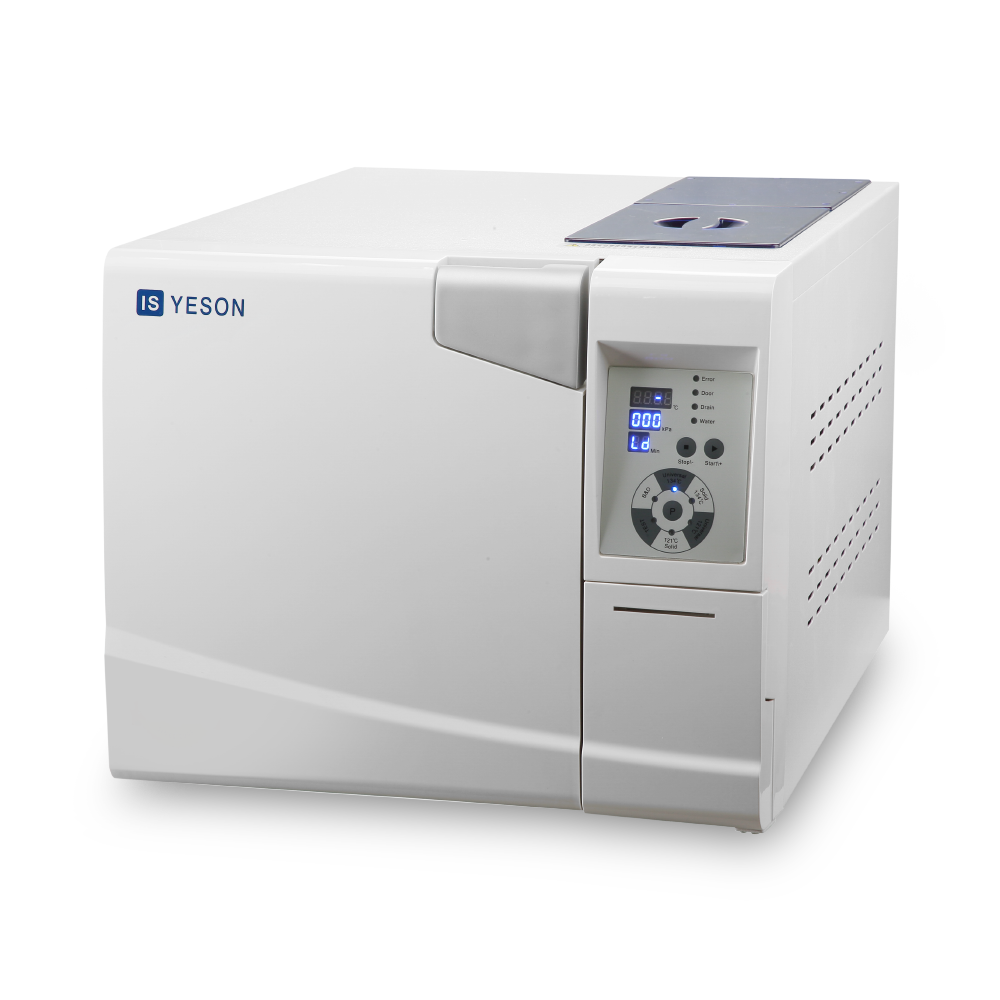
Autoclaves typically operate at temperatures between 250°F (121°C) and 275°F (135°C). The pressure is usually maintained between 15 and 30 psi to facilitate the sterilization process. Proper regulation of these factors ensures that all items within the chamber reach the required sterilization temperature.
For sterilization to be effective, the steam must be of high quality. Ideally, it should be composed of 97% steam (vapor) and 3% moisture (liquid water). Superheated steam (dry steam) is ineffective for sterilization because it cannot transfer heat efficiently to the material being sterilized.
The way items are loaded into the autoclave impacts the efficiency of the sterilization process. Items should be spaced out properly to allow steam to circulate freely and penetrate all surfaces. Overpacked loads can result in incomplete sterilization.
Factor | Effect on Sterilization |
Load Size | Larger loads require longer exposure times. |
Material Type | Porous materials may require pre-vacuum cycles. |
Packaging | Proper packaging ensures steam penetration. |
Autoclaves are essential in healthcare settings, where they are used to sterilize surgical instruments, personal protective equipment (PPE), implants, and other medical devices. By ensuring these tools are free from harmful microorganisms, autoclaves play a vital role in preventing healthcare-associated infections.
In laboratories, autoclaves sterilize a range of items, including glassware, petri dishes, and culture media. They are crucial for maintaining contamination-free environments for scientific research, microbiological testing, and cell culture studies.
In the industrial sector, autoclaves are used for sterilizing food packaging, biohazard waste, and certain chemicals. In some cases, they are also used in manufacturing processes to enhance materials, such as rubber vulcanization and composite curing.
Autoclaves offer a reliable and efficient method of sterilization, providing a quick turnaround time for sterilizing large quantities of items. Their automation and consistent cycle parameters help to streamline the sterilization process, reducing the chance of human error.
The versatility of autoclaves extends across multiple sectors, from healthcare to food processing. They are effective for sterilizing a wide variety of materials, making them an invaluable tool in many fields.
Autoclaves are designed with several safety features, such as pressure safety valves and automatic shutoffs, ensuring safe operation. They also meet stringent regulatory standards, ensuring the quality and sterility of the items sterilized.
Autoclaves are essential for sterilization across various industries, ensuring that equipment and materials remain free from harmful microorganisms. Their efficiency, reliability, and versatility make them indispensable in medical, research, and industrial environments. As technology advances, autoclaves are expected to become more energy-efficient and user-friendly.
For high-quality autoclave solutions,NINGBO HAISHU YESON MEDICAL DEVICE CO., LTD.offers innovative products that provide superior sterilization, helping industries maintain high standards of cleanliness and safety.
A: An autoclave sterilizer uses pressurized steam to sterilize equipment, killing harmful microorganisms.
A: The autoclave sterilizer uses high temperature and pressure to break down the protein structure of bacteria.
A: Steam is efficient at transferring heat, ensuring rapid and effective sterilization by penetrating materials.
A: The cycle time depends on the material, size, and sterilization requirements but generally takes 15-30 minutes.
A: Autoclave sterilizers are reliable, versatile, and efficient, providing high-level sterilization across industries.
A: No, only heat- and moisture-resistant materials, like glass and certain plastics, should be autoclaved.