Views: 0 Author: Site Editor Publish Time: 2025-12-26 Origin: Site


Autoclaves are crucial in maintaining sterilization standards in healthcare, laboratories, and industries. However, neglecting regular cleaning can lead to equipment failure and compromised sterilization. In this article, you will learn a step-by-step guide on how to clean an autoclave sterilizer, ensuring it operates efficiently and reliably.
Before starting any cleaning process, it’s crucial to prioritize safety. Always ensure that the autoclave sterilizer is switched off and unplugged to avoid any electrical accidents. Depending on your autoclave’s specific model, wearing protective gear such as gloves, goggles, and a lab coat is highly recommended, especially if you’re working with hot components or cleaning chemicals.
Having the correct cleaning supplies is essential for effectively cleaning your autoclave. Use mild, non-abrasive detergents that won’t damage the sterilizer’s internal surfaces. Soft cloths and brushes are crucial for scrubbing, while distilled water should be used to avoid mineral deposits that could compromise the autoclave’s performance.
Cleaning Material | Purpose |
Mild Detergent | Safe for stainless steel and internal surfaces |
Soft Cloths and Brushes | Prevents scratching while cleaning |
Distilled Water | Prevents mineral buildup and scale formation |
Occasionally, stubborn mineral deposits or stains can build up in your autoclave. A vinegar-water mix or a specialized autoclave cleaner can help remove these deposits. Always follow the manufacturer's instructions to avoid damaging the sterilizer with incorrect cleaning solutions.
Cleaning your autoclave sterilizer regularly is essential to maintain its performance and extend its lifespan. Routine cleaning involves cleaning both the external surfaces and the interior chamber, as well as ensuring that the water tank is drained and refilled to prevent mineral buildup. Here's a more detailed breakdown of these key maintenance tasks:
The external surfaces of your autoclave sterilizer, such as the control panel, handles, and door seals, are prone to dirt, fingerprints, and spills. To clean these surfaces, use a soft, dampened cloth or sponge with mild detergent. Avoid using abrasive materials or harsh scrubbing on sensitive areas like the control panel, as this could damage the electronics and affect performance.
Use a soft, lint-free cloth to prevent scratches on the surface.
Avoid harsh chemicals that could damage the surface or paint.
Regularly wipe down high-touch areas like handles and buttons to maintain hygiene.
The interior chamber of the autoclave sterilizer is where the sterilization process takes place, so keeping it clean is crucial. After every sterilization cycle, use a soft cloth soaked in mild detergent solution to wipe down the interior surfaces. This helps remove any stains or residue left behind after the sterilization process.
For stubborn stains or mineral deposits, a mixture of vinegar and distilled water can help dissolve buildup. This solution effectively breaks down any mineral deposits from the water used in the sterilization process.
Focus on the chamber walls, floor, and ceiling to remove any residue.
Use a soft brush to clean corners or crevices that might be hard to reach with a cloth.
Never use abrasive scrubbers that could scratch or damage the chamber’s surfaces.
After each sterilization cycle, it’s essential to drain the water tank and refill it with fresh, distilled water. This practice prevents mineral buildup, which can cause clogs in the autoclave’s pipes, leading to reduced efficiency or potential damage. Regular water changes also ensure that the sterilization process remains effective and that your autoclave sterilizer continues to operate smoothly.
It’s equally important to regularly check the drainage systems for any debris or residue that may have accumulated, as this can affect both performance and cleanliness.
Drain the water tank completely after each cycle to avoid stagnant water buildup.
Always use distilled water to prevent mineral deposits and maintain the autoclave's functionality.
Check drainage systems regularly to ensure no blockages that could affect the efficiency of the sterilizer.
Even with regular maintenance, mineral deposits can accumulate over time. Descaling is necessary to keep the autoclave operating efficiently. Use a commercial descaling solution or a vinegar-water solution to remove any scale buildup. Fill the chamber with the solution, let it sit as instructed, and scrub the walls gently with a soft brush. Afterward, rinse thoroughly with distilled water to eliminate all residue.
Many autoclaves come with removable parts such as trays, racks, and baskets. These parts should be cleaned separately from the autoclave’s chamber. Use a non-scratch scouring pad and mild detergent to clean them thoroughly. Rinse with distilled water and allow the parts to dry completely before reassembling.
The door gasket plays a critical role in maintaining an airtight seal. Regularly clean the gasket to prevent debris buildup, which could cause steam leaks and affect sterilization. Wipe the gasket with a soft cloth and mild detergent solution. Inspect it for any cracks or wear and replace it if necessary.
Regular maintenance is crucial to keeping your autoclave sterilizer running efficiently. Both weekly and monthly maintenance tasks are vital for preventing potential issues and ensuring your autoclave is functioning properly for extended periods. Here’s a detailed breakdown of what you should do on a weekly and monthly basis:
Weekly cleaning procedures are designed to address any buildup that could accumulate over time, particularly in the water reservoir, and to ensure that the sterilization process remains effective.
Once a week, it’s essential to drain and flush the water reservoir with fresh distilled water. This practice helps remove any accumulated minerals or contaminants from the water tank. Mineral buildup over time can clog the pipes and affect the autoclave's performance.
Additionally, distilled water helps prevent mineral deposits and scale buildup, which can impede the autoclave’s efficiency.
A biological spore test is recommended weekly to confirm that the sterilization process is working as intended. This test uses biological indicators (spores) to check if the autoclave is effectively killing resistant microorganisms. Conducting this test ensures that your autoclave sterilizer is performing up to safety and efficacy standards.
Monthly maintenance tasks require more thorough inspections and cleaning procedures to keep your autoclave in top condition. These tasks ensure that any significant buildup is addressed and that the internal components are functioning optimally.
On a monthly basis, inspect the autoclave chamber, water lines, and other internal components for any signs of wear or mineral buildup. This inspection helps identify any problems before they become serious issues, ensuring your sterilizer continues to perform reliably.
If you notice any blockage or residue in the water lines, it’s crucial to address it before it affects sterilization performance.
Regularly inspect the power cords and plugs for any signs of wear, fraying, or overheating. These electrical components are critical for the safe and efficient operation of the autoclave. If you notice any issues, replace them immediately to prevent electrical hazards.
After inspecting the internal components, perform a thorough cleaning of the autoclave chamber. Use a mild detergent or an autoclave cleaner to remove any residue or scale buildup. This deeper cleaning helps maintain the autoclave’s efficiency and ensures that the sterilization environment remains clean.
Once a month, perform an intensive flush using a specialized autoclave cleaner. These cleaners are formulated to remove more stubborn buildup that may not be addressed with regular weekly cleaning. Follow the manufacturer’s instructions carefully to ensure that the flush is effective and safe for the sterilizer.
Tips:
● Use only the recommended cleaner for your specific autoclave model to avoid damage.
● Thoroughly flush the chamber and water lines to ensure no residue remains that could impede the sterilization process.
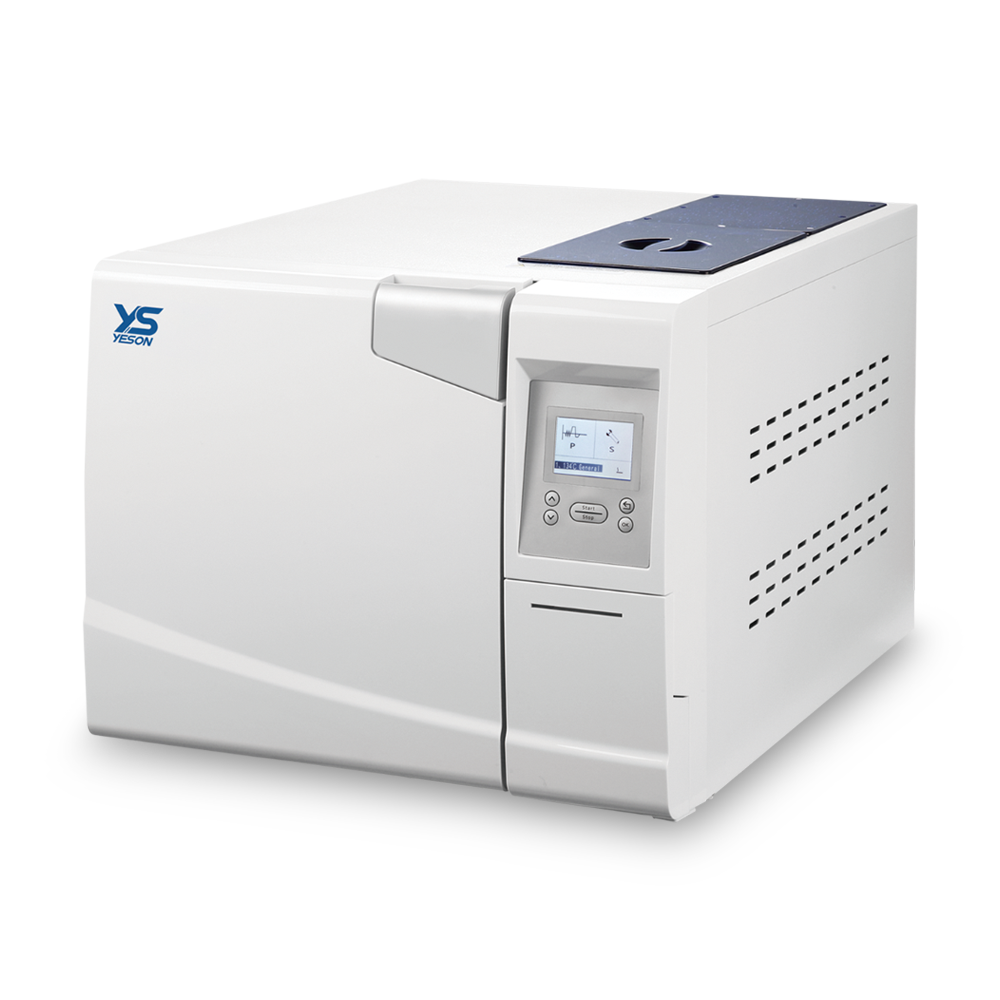
Even with routine upkeep, annual professional servicing is recommended. A qualified technician will conduct a thorough inspection of your autoclave sterilizer, checking all critical components for wear and tear. This includes calibrating the autoclave to ensure precise operation, as well as replacing worn-out parts such as gaskets and filters.
● Thorough Inspection: Ensures all parts are functioning correctly and identifies potential issues before they become major problems.
● Calibration: Keeps your autoclave running at peak performance, providing reliable sterilization results.
● Part Replacement: Replaces worn-out components, preventing unexpected breakdowns that could disrupt operations.
Regular professional servicing reduces the chances of unexpected failures and ensures that your autoclave sterilizer is always operating at its best.
Maintaining a detailed maintenance log is an important practice for tracking cleaning and servicing activities. This log should include the date, tasks performed, and any issues noted during maintenance. It not only helps with troubleshooting in case of malfunctions but also ensures compliance with industry regulations.
Organized Record Keeping: Helps track when specific maintenance tasks were performed and what actions were taken.
Troubleshooting: Provides valuable insights if issues arise, making it easier to identify and resolve problems quickly.
Regulatory Compliance: Keeping a log ensures that your autoclave meets the required health and safety standards.
Rust and residue buildup can compromise the performance of your autoclave. This is often caused by using chlorinated tap water or not cleaning the chamber and trays regularly. To prevent rust, ensure that you always use distilled water and clean the chamber thoroughly after every cycle. Use non-abrasive cleaners and avoid using harsh chemicals.
Tips:Regular cleaning with distilled water is the best way to prevent rust and mineral buildup.
Dark stains or rings in the chamber are typically caused by residue deposits from sterilized instruments. These stains can be cleaned using a non-abrasive cleaner and a soft cloth. It’s also important to clean instruments properly before placing them in the autoclave to avoid these stains.
Regular cleaning and maintenance of your autoclave sterilizer are essential for ensuring its proper function, preventing contamination, and extending its operational lifespan. By following the daily, weekly, and monthly cleaning procedures outlined in this guide, you can ensure that your autoclave remains in optimal condition and continues to deliver effective sterilization.
At NINGBO HAISHU YESON MEDICAL DEVICE CO., LTD., we provide high-quality autoclave sterilizers designed to meet industry standards, ensuring reliable and safe sterilization for your facility’s needs.
A: An autoclave sterilizer is a device that uses high-pressure steam to sterilize medical, laboratory, or industrial equipment. Regular cleaning is crucial to maintain its efficiency.
A: Clean the interior chamber of your autoclave sterilizer using a non-abrasive cloth with mild detergent or a vinegar-water mix to remove stains and mineral buildup.
A: Autoclave sterilizers should be cleaned daily, with more thorough cleaning weekly and monthly to ensure effective sterilization and prevent residue buildup.
A: Descaling is necessary to remove mineral deposits that accumulate over time, ensuring your autoclave sterilizer continues to function optimally.
A: No, always use distilled or deionized water to prevent mineral buildup, which can damage your autoclave sterilizer and reduce its effectiveness.
A: To prevent rust, always clean the autoclave sterilizer after each use, avoid using tap water, and ensure that the interior is thoroughly dried before reassembling.