Views: 0 Author: Site Editor Publish Time: 2026-01-13 Origin: Site


Did you know that the performance and lifespan of your autoclave sterilizer can be significantly impacted by regular cleaning? Over time, mineral buildup and residue from previous cycles can lead to inefficiency and potential damage. In this article, we will discuss why cleaning your autoclave is crucial and provide a step-by-step guide to ensure it operates at its best. By following these maintenance routines, you can optimize the functionality and extend the life of your sterilizer.
A daily cleaning routine helps keep your autoclave in peak condition and prevents any buildup from compromising its performance. Start by wiping the external surfaces with a damp cloth, paying special attention to areas like the door gasket, control panel, and handles. Always inspect the door gasket for any wear or cleanliness issues, as a damaged gasket can lead to steam leakage, affecting sterilization efficiency.
Performing a deep clean once a week helps ensure that any mineral deposits, stains, or residue that have accumulated inside the sterilizer are removed. To clean the interior chamber, use a non-abrasive cleaner or a solution of vinegar and water. Scrub trays, racks, and other removable parts with the same solution to remove debris. Afterward, drain the water reservoir and replace it with fresh distilled water to prevent any buildup from occurring.
Monthly maintenance is essential for keeping your autoclave sterilizer running smoothly. Check and clean the drainage filter for any debris buildup, which can clog the system over time. It’s also important to use an autoclave cleaner to flush the system. Run several rinse cycles with distilled water to ensure that all cleaning agents are properly removed from the chamber, preventing any chemical residue that could damage the autoclave.
Mineral buildup can accumulate in your autoclave’s chamber, especially if you’re using hard water. To address this, use a descaling solution recommended by the manufacturer. Dilute the solution according to the instructions and pour it into the chamber. Allow it to sit for the specified amount of time, then scrub the chamber with a soft brush. Finally, rinse the chamber thoroughly with distilled water to remove any leftover cleaning solution.
| Descaling Agent | Applicability | Recommended Concentration | Precautions | Cleaning Procedure |
|---|---|---|---|---|
| Vinegar & Water | Suitable for light mineral deposits | 1:1 (vinegar:water) | Not suitable for stubborn limescale | Mix vinegar and water, pour into chamber, leave for 20 minutes, then clean |
| Commercial Descaler | Suitable for moderate to heavy buildup | As per manufacturer’s instructions | Follow the manufacturer’s instructions, ensure complete removal of chemical residue | Pour into chamber, run cleaning cycle, then rinse thoroughly |
| Citric Acid Solution | Used for light mineral deposits | 5%-10% | Not suitable for long-term storage, must be rinsed thoroughly after use | Mix citric acid with water, pour into chamber, clean and rinse |
| Market-Specific Descaler | For heavy and long-standing deposits | Dilute according to instructions | Handle with care to avoid contact with other parts of the equipment | Dilute, add to chamber, run cleaning cycle, perform multiple rinses |
Regular inspection and cleaning of filters are essential for ensuring proper airflow and efficient operation. Failure to clean filters on time can lead to airflow restrictions or reduced sterilization efficiency, increasing future maintenance costs.
| Filter Type | Inspection Criteria | Cleaning Method | Tools Required | Precautions |
|---|---|---|---|---|
| Internal Filter | Check for clogging or damage | Clean with warm water and non-abrasive cleaner | Soft brush, pipe cleaner | Avoid using sharp tools to prevent damage to the filter |
| External Filter | Check for debris blockage | Clean with warm water, mild detergent if necessary | Soft brush, clean water, mild detergent | Inspect weekly to avoid buildup of fine particles |
| Activated Carbon Filter | Check for odor or water accumulation | Replace carbon layer as needed | Clean water, replacement carbon | Replace carbon layers regularly for optimal performance |
Tip: Regularly cleaning filters and replacing the carbon layers will help prevent debris from blocking the system, ensuring smooth airflow and proper sterilization.
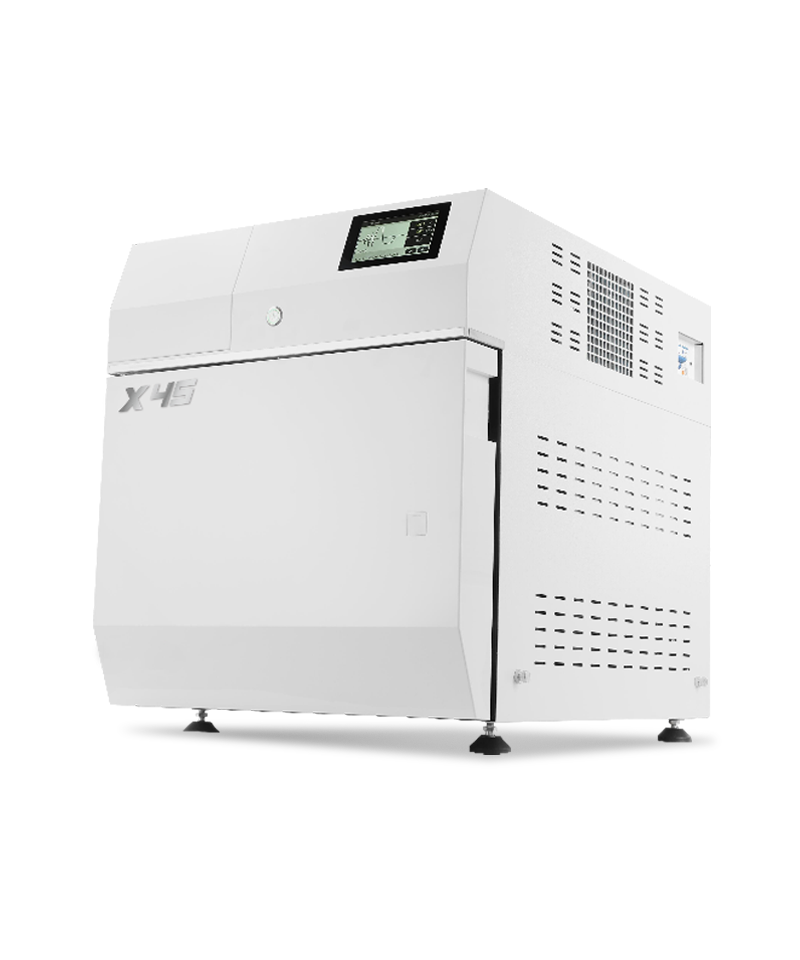
Before you start the cleaning process, gather all necessary cleaning tools. Use soft cloths or cotton towels to avoid scratching surfaces, and make sure to use mild detergent or a non-abrasive cleaner. It is essential to use distilled water for cleaning to prevent mineral deposits from building up within the system. Having the right tools will help ensure an efficient and safe cleaning process.
To protect yourself during the cleaning process, always wear personal protective equipment (PPE), such as gloves and goggles. Make sure the autoclave is completely powered off and cooled down before starting the cleaning. This will help prevent accidents and ensure you’re working safely around potentially hazardous surfaces.
Before proceeding with any cleaning, always refer to the manufacturer’s manual for specific instructions on your autoclave model. The manual provides valuable information on compatible cleaning products, the proper methods to use, and any unique requirements for your specific equipment. Following these guidelines will help maintain your warranty and ensure that all procedures are in line with industry standards.
The quality of the water used in your autoclave sterilizer is critical for preventing scale buildup and other issues. Always use distilled or deionized water instead of tap water to avoid introducing minerals that can clog or damage the system. Mineral deposits from untreated water can cause serious performance issues and increase the frequency of maintenance.
It is important to monitor the quality of the water used in your autoclave sterilizer. You can use a conductivity meter to check the water quality, ensuring it falls within the recommended range for your equipment. Monitoring water quality helps prevent problems such as scaling and buildup, which can impair the performance of your autoclave.
To reduce the frequency of cleaning and improve water quality, consider installing an external water filtration system. This system can help remove minerals and contaminants from the water before it enters the autoclave, further protecting your equipment and improving overall efficiency.
The seals and gaskets of your autoclave are essential for maintaining pressure during sterilization. Regularly check the door seals and other gaskets for wear and cleanliness. Clean them gently using a soft cloth and mild detergent. Keeping these components clean and intact will ensure that the autoclave operates efficiently and that there are no steam leaks during the sterilization cycle.
To extend the life of your gaskets, it’s important to clean and maintain them regularly. Use gentle cleaning techniques, and apply the recommended lubricant (if applicable) to keep the gaskets in good working order. This helps prevent the gaskets from drying out or becoming cracked, which could compromise the effectiveness of your sterilization process.
Depending on the frequency of use, the seals in your autoclave may need to be replaced periodically. Regularly inspect the seals for any signs of damage, such as cracks or brittleness. If the seals appear damaged, replace them immediately to maintain a proper seal and ensure that the autoclave operates safely and efficiently.
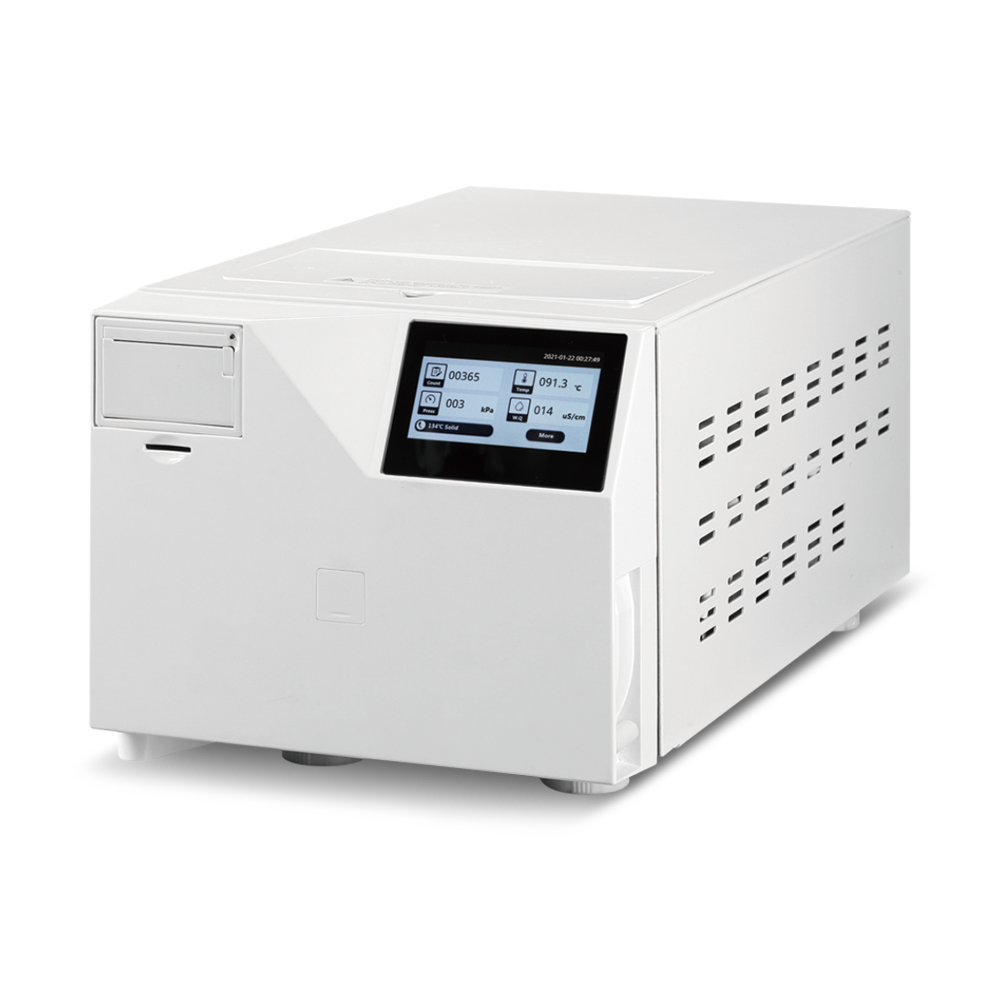
Cleaning the internal components of your autoclave is essential to maintaining its performance. Clean shelves, racks, and the chamber using a soft cloth or sponge and mild detergent. Avoid using harsh chemicals or abrasive tools that can damage the interior surfaces. Regular cleaning prevents contamination and ensures that the autoclave performs optimally.
| Component | Inspection Criteria | Cleaning Method | Tools Required | Precautions |
|---|---|---|---|---|
| Shelves & Racks | Check for dirt, rust, or staining | Use a soft cloth with mild detergent or vinegar-water solution | Soft cloth, sponge, mild detergent | Avoid abrasive brushes to prevent scratching |
| Chamber Interior | Inspect for mineral deposits or stains | Use a non-abrasive cleaner and scrub gently with a brush | Soft brush, non-abrasive cleaner | Do not use sharp tools to remove scale buildup |
| Heating Element Cover | Check for buildup or scale | Use a damp cloth with mild detergent | Soft cloth, sponge | Ensure no moisture enters electrical parts |
When placing items inside the autoclave, be mindful of the arrangement to prevent cross-contamination. Ensure that there is enough space between the items to allow for proper steam circulation. Avoid overcrowding, which could affect the effectiveness of the sterilization process. Proper loading ensures that all items are exposed to the steam, which is crucial for successful sterilization.
Over time, metal parts inside the autoclave can be susceptible to corrosion. To protect these parts, use specialized cleaning solutions that help prevent corrosion while cleaning the interior. Ensuring the interior remains clean and free of corrosive substances will prolong the life of the metal components and maintain the overall functionality of your autoclave.
The exterior of your autoclave should be cleaned regularly to maintain hygiene and extend its lifespan. Use a soft cloth to wipe the surfaces, and occasionally use a mild soap or detergent if needed. Ensure that no residue is left on the surface, and dry the exterior thoroughly to prevent any moisture from damaging the components.
Regular maintenance of the ventilation system is essential for preventing overheating, which can lead to costly repairs or malfunctions. Dust and debris that accumulate in the vents or fans restrict airflow, making the sterilizer work harder and reducing its efficiency. Using compressed air to blow out dust from vents is recommended. Additionally, ensure that the room temperature is not too high, as extreme heat can affect the autoclave’s performance. Routine checks and cleaning of ventilation components will extend the lifespan of your equipment.
A clean environment around your autoclave is just as important as the device itself. Dust, dirt, and other contaminants in the surrounding area can enter the autoclave during the loading and unloading process, potentially contaminating sterilized items. Ensure that the floor is regularly swept or vacuumed, and consider using a dedicated area with controlled access to minimize exposure to airborne particles. Keeping the workspace organized also reduces the risk of accidental spills or obstructions that could interfere with the autoclave’s operation.
In summary, maintaining your autoclave sterilizer through regular and thorough cleaning is essential to its efficiency, safety, and longevity. By following daily, weekly, and monthly maintenance routines, you can optimize its performance and avoid costly repairs. NINGBO HAISHU YESON MEDICAL DEVICE CO., LTD. offers high-quality autoclave sterilizers designed for long-lasting performance. Their innovative products ensure effective sterilization cycles, providing reliable and safe solutions for your medical and laboratory needs.
A: It is recommended to clean your autoclave sterilizer daily, perform a deep clean weekly, and conduct a full maintenance routine monthly to ensure optimal performance.
A: Using distilled water prevents mineral buildup, which can clog the system and reduce the sterilizer's efficiency, ultimately prolonging the lifespan of your autoclave sterilizer.
A: It’s best to use non-abrasive cleaners or solutions recommended by the manufacturer to avoid damaging the autoclave sterilizer’s surfaces and components.
A: Regularly inspect seals for wear, cracks, or stiffness. If you notice any damage, it’s time to replace the seals to prevent steam leakage and maintain sterilization efficiency.
A: Use a descaling solution to remove mineral deposits, following the manufacturer's instructions for proper dilution and application to avoid damage to your autoclave sterilizer.
A: Regularly clean the vents and fans to remove dust and debris, ensuring proper airflow and preventing overheating, which can affect the autoclave sterilizer's efficiency.