Views: 0 Author: Site Editor Publish Time: 2026-01-15 Origin: Site


Autoclave sterilizers are essential in various industries, ensuring sterility through high-pressure steam. They are the go-to solution for sterilizing tools, equipment, and materials by eliminating harmful microorganisms. In this article, we will explore how to properly use an autoclave sterilizer, covering key steps from preparation to operation. By following this guide, you’ll ensure optimal performance, safety, and longevity of your equipment.
Before using your autoclave sterilizer, it's crucial to perform basic checks to ensure it functions effectively. Start by verifying the water levels. Always use distilled water to fill the chamber, as tap water can cause mineral buildup and damage the sterilizer. Ensure that the water level aligns with the manufacturer's specifications, typically indicated by a color-coded gauge. After confirming the correct water level, inspect the autoclave’s gasket. Cleaning the gasket ensures a secure seal, which is vital for maintaining pressure during the sterilization cycle.
Correct loading of the autoclave is key to ensuring that the sterilization process is efficient. Overloading the chamber can block steam flow and reduce sterilization effectiveness. Arrange items in a way that allows steam to circulate freely around them. For instruments wrapped in sterilization pouches or other materials, make sure there is enough space between them for the steam to penetrate fully. If you're using specialized racks or trays, ensure that heavier items are placed at the bottom for better steam circulation.
| Factor | Considerations | Technical Details |
|---|---|---|
| Space Between Items | Ensure at least 1 inch of space between items for steam flow. | Items should not touch each other or the chamber walls. |
| Heavy Items | Place heavier items at the bottom of the chamber. | Helps to ensure even steam penetration around lighter items placed above. |
| Packaging | Use sterilization pouches or wraps for all items. | Make sure packaging is autoclave-safe and allows steam penetration. |
| Item Type | For porous items, use the vacuum cycle. | Vacuum cycles help ensure complete steam penetration for porous items. |
| Overloading | Do not overload the chamber. | Overloading will block steam circulation and hinder sterilization. |
Autoclaves typically offer two main types of sterilization cycles: gravity and vacuum. Gravity cycles work by allowing steam to displace the air inside the chamber, making it effective for non-porous materials. On the other hand, vacuum cycles use a vacuum pump to remove air before injecting steam, which is more effective for sterilizing porous materials or liquids that need a more thorough process. Choose the correct cycle based on the items you're sterilizing. Gravity cycles are ideal for simple loads, while vacuum cycles are better for materials that require more thorough steam penetration.
The standard sterilization temperature for an autoclave is typically 121°C at 15 PSI, although the temperature may increase to 134°C for more resistant materials. Make sure to set the temperature and pressure according to the manufacturer's guidelines or the specific needs of the items being sterilized. For example, surgical instruments may require a higher temperature, while delicate laboratory glassware might need a gentler sterilization process. Always ensure that the temperature and pressure remain consistent throughout the cycle to achieve effective sterilization.
Once the sterilization cycle begins, monitoring the temperature and pressure is critical to ensure that the conditions remain within the required parameters. Most modern autoclaves have digital displays that allow operators to track these factors in real-time. Additionally, the drying phase is crucial, especially for instruments that are prone to moisture retention. Ensure the drying cycle is activated after sterilization to remove excess moisture from the items, preventing contamination once they are unloaded.
After the sterilization cycle is complete, allow the autoclave to cool down before opening the door. Never open the door when there is residual pressure inside, as this can lead to burns from the escaping steam. Always wear heat-resistant gloves when unloading items. After opening the door, verify that the items are fully sterilized. This can be done by checking the autoclave tape or indicators, which change color when exposed to sufficient heat. If the tape has not fully changed color, repeat the sterilization cycle.
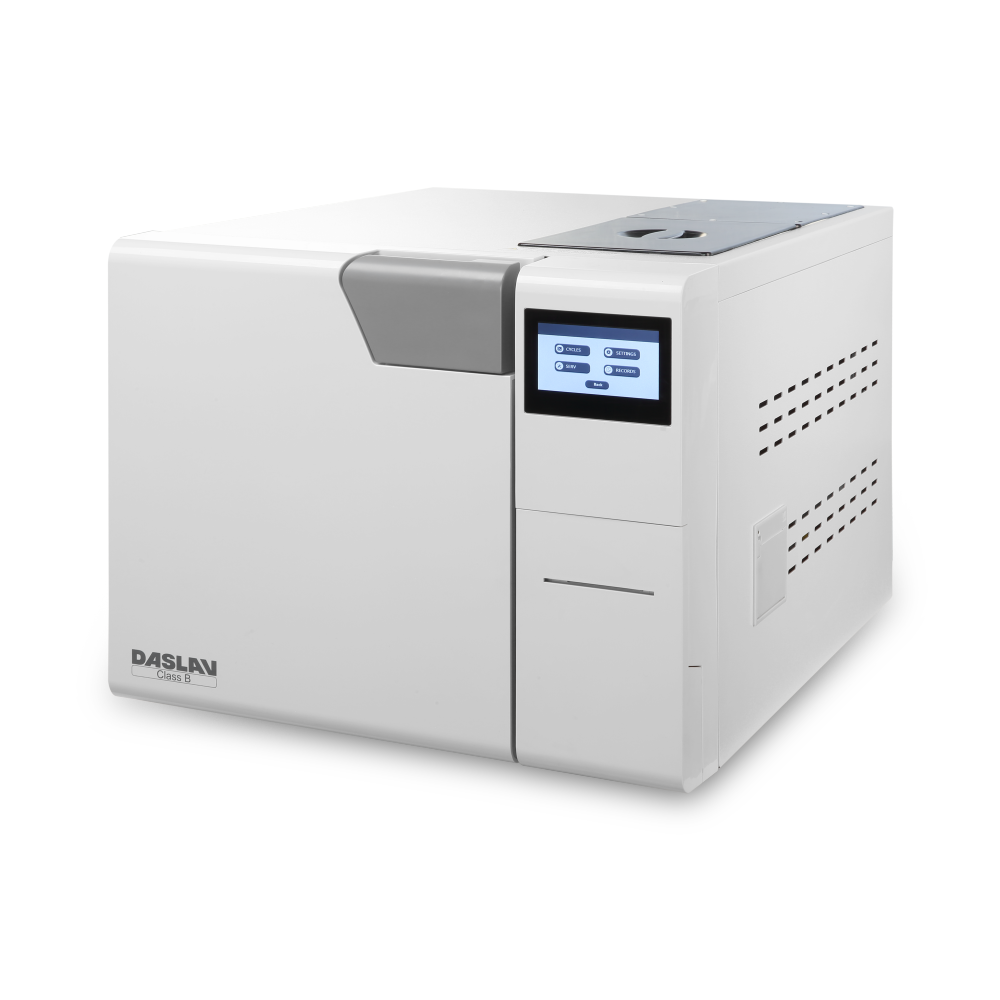
Before placing any items into the autoclave for sterilization, ensure they are thoroughly cleaned. Use ultrasonic cleaners or manually scrub instruments to remove any biological material or debris. This step is critical as leftover organic matter can interfere with the sterilization process. For laboratory glassware and surgical instruments, ensure all contaminants are removed to prevent them from impacting the sterilization cycle. Use appropriate cleaning agents as per the manufacturer’s guidelines.
The table below outlines different types of packaging materials and their suitability, including steam penetration, heat resistance, and use cases.
| Material Type | Steam Penetration | Suitability for Use | Temperature Tolerance | Notes |
|---|---|---|---|---|
| Autoclave Pouches | High | Surgical instruments, dental tools | 134°C | Ensure proper sealing to maintain sterility. |
| Sterilization Wraps | Moderate | Laboratory glassware, culture media | 121°C | Use for items requiring steam penetration but not direct contact. |
| Non-woven Fabric | High | Surgical drapes, textiles | 134°C | Ideal for lightweight items that need complete coverage. |
| Plastic Containers | Low | For non-porous items | 121°C | Can be used for liquid sterilization, must ensure no leaks. |
Tip: Choose appropriate packaging materials based on the type of items being sterilized to ensure steam penetration and avoid contamination.
Proper labeling and documentation are vital for tracking sterilization processes and ensuring compliance with safety standards. Every sterilization batch should be clearly labeled with the date, operator’s initials, and batch number. This not only ensures traceability but also helps in maintaining records for quality control purposes. The batch records should be stored securely and made available for future audits or inspections.
When operating an autoclave sterilizer, personal protective equipment (PPE) is essential to protect against burns and exposure to harmful chemicals. Wear heat-resistant gloves, protective eyewear, and a lab coat when handling sterilized items. This is particularly important when opening the autoclave or unloading materials, as the interior of the chamber can still be hot and pressurized.
After the sterilization cycle is complete, it's important to carefully release any built-up steam before fully opening the door. Use the "crack the door" method to allow steam to vent slowly. This technique helps prevent steam burns that can occur if the door is opened too quickly. Always ensure that the autoclave has cooled down sufficiently before removing the items.
Autoclave sterilizers are equipped with safety features, including emergency shut-off valves and pressure relief systems. Familiarize yourself with the location and function of these components. In the event of a malfunction or abnormal pressure levels, these safety mechanisms will help prevent accidents. Regularly inspect and test these safety features to ensure they are in good working condition.
When sterilizing laboratory glassware, arrange the items so that steam can circulate effectively around them. For large glass containers, ensure there is sufficient space between each item. If the glassware is fragile, handle it with care to avoid breakage during the sterilization process. It’s also important to consider the material’s heat resistance to prevent damage during sterilization.
Surgical instruments require careful placement in the autoclave to ensure thorough sterilization. Open any joints or hinges to allow steam to reach all parts of the instrument. Use specialized racks to organize the instruments and avoid overcrowding. Ensure that each tool is wrapped or placed in a sterilization pouch to protect it from recontamination once the autoclave door is opened.
When sterilizing liquids, use the autoclave’s "slow exhaust" cycle to prevent sudden temperature changes that could cause boiling over. Always ensure that liquid containers are not filled to the top, leaving enough space for steam expansion. Proper sealing and correct positioning will prevent leaks and ensure effective sterilization of liquids.
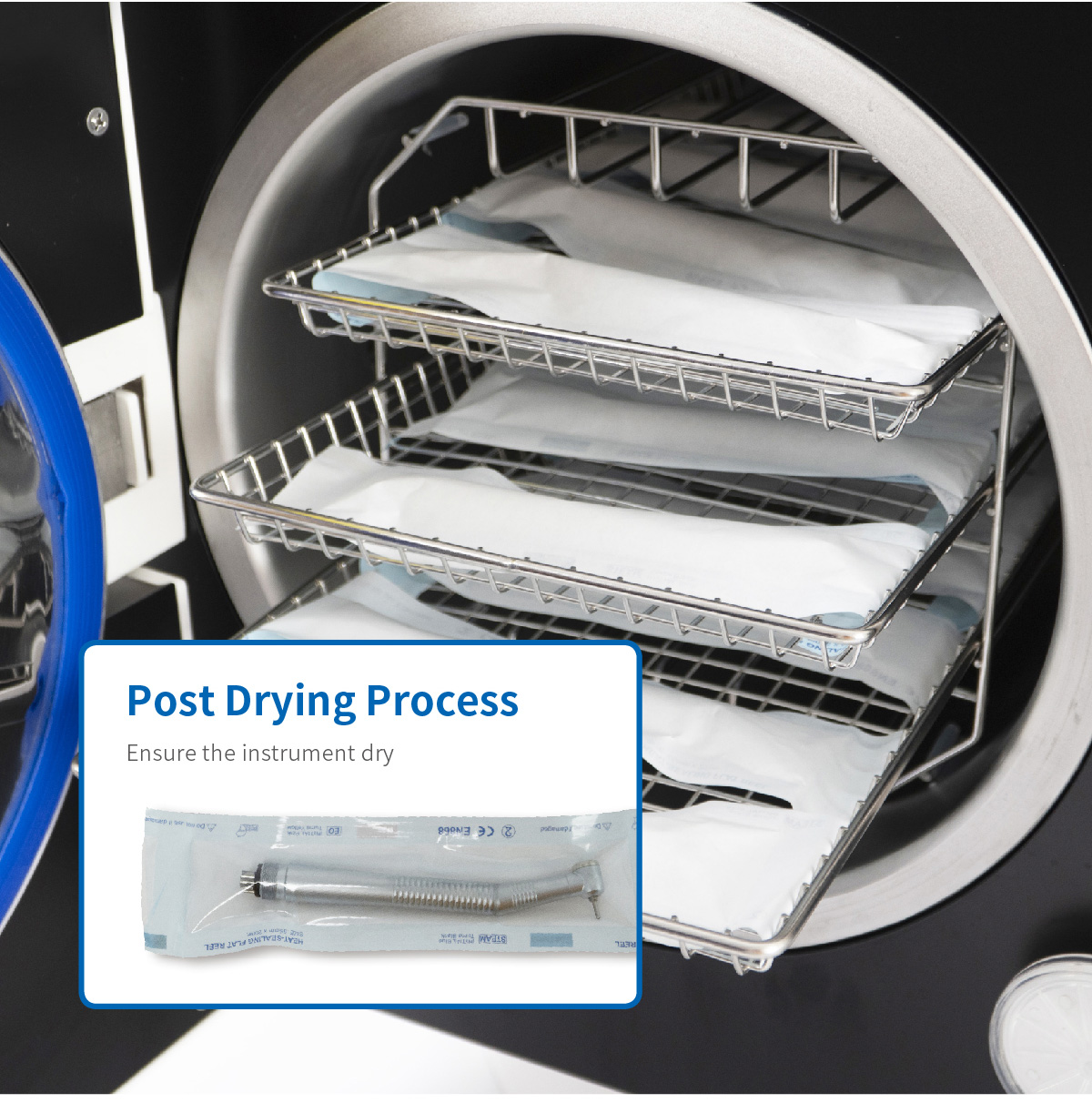
Chemical indicators are an effective tool for verifying the success of the sterilization process. The table below outlines the different types of chemical indicators and their application in the sterilization process, helping operators ensure sterilization success in routine operations.
| Indicator Type | Class | Usage | Temperature Range | Response |
|---|---|---|---|---|
| Chemical Indicator Tape | Class 1 | For monitoring heat exposure. | 121°C to 134°C | Changes color when exposed to sterilization conditions. |
| Steam Chemical Indicators | Class 3 | To ensure steam penetration. | 121°C | Turns color when steam reaches required levels. |
| Multi-parameter Indicators | Class 4-5 | For verifying multiple parameters. | 121°C to 134°C | Changes color based on both time and temperature. |
Tip: Regularly use chemical indicators to verify that the autoclave conditions have been met and to prevent operational failures.
Biological indicators, such as spore strips, are a critical tool for validating the effectiveness of the autoclave’s sterilization process. These indicators contain highly resistant spores, like Geobacillus stearothermophilus, that only die when exposed to the proper combination of heat, pressure, and time. Conducting weekly spore tests is essential to ensure that the autoclave is operating within the required parameters. A successful test confirms the sterilization process's efficacy, while a failure indicates that the cycle conditions were insufficient, prompting further investigation or maintenance.
Modern autoclaves often provide digital cycle logs and printouts, offering detailed records of each sterilization cycle. These logs capture key parameters such as pressure, temperature, and time, which are essential for ensuring that sterilization conditions were met. Reviewing these records after each cycle is crucial for quality assurance and compliance with safety standards. By analyzing the data, operators can verify if the autoclave performed correctly, identify any anomalies, and maintain accurate documentation for audits. Consistently monitoring these logs helps prevent potential risks and ensures the reliability of sterilization practices.
Regular cleaning of the autoclave chamber is critical to maintaining its functionality and prolonging its lifespan. After each cycle, remove any visible debris or residue, especially from sterilized items. Weekly, clean with non-abrasive solutions to avoid scratching or damaging the chamber's surface. Pay particular attention to areas prone to mineral buildup, especially if using hard water. A clean chamber prevents cross-contamination between cycles and ensures consistent sterilization results. Additionally, regular cleaning minimizes the risk of corrosion, which could lead to mechanical failures over time.
The door gasket and filters are vital components that ensure the autoclave’s airtight seal and efficient pressure regulation. Gaskets should be inspected for wear, cracks, or hardening, as damaged gaskets compromise the autoclave's pressure integrity and could lead to steam leakage, reducing sterilization effectiveness. Filters also need regular inspection for blockages or dirt accumulation. Clogged filters can impede airflow, causing irregular pressure changes during the cycle. Periodically replacing these parts helps maintain optimal performance, ensures reliable sterilization, and extends the life of the autoclave.
To ensure the long-term performance of your autoclave, schedule annual professional calibration and maintenance. Calibration ensures that the temperature and pressure gauges are accurate, while preventive maintenance helps identify potential issues before they lead to equipment failure. Work with certified technicians to keep your autoclave in optimal condition.
Proper operation and maintenance of an autoclave sterilizer are crucial for ensuring the safety and sterility of the items being processed. By following the outlined procedures, you can maximize the efficiency, reliability, and longevity of your autoclave. Regular monitoring, correct loading, and adherence to safety protocols will ensure effective sterilization. NINGBO HAISHU YESON MEDICAL DEVICE CO., LTD. offers high-quality autoclave sterilizers designed to meet industry standards. Their products are known for their durability and precision, providing efficient sterilization solutions to maintain optimal hygiene in healthcare and laboratory settings.
A: An autoclave sterilizer is a device that uses high-pressure steam to kill harmful microorganisms, ensuring sterility in tools and equipment.
A: To operate an autoclave sterilizer, fill it with distilled water, load items properly, select the right cycle, and monitor the temperature and pressure during the sterilization process.
A: An autoclave sterilizer ensures the safety of medical instruments by effectively sterilizing them and preventing the spread of infections in healthcare settings.
A: Yes, you can sterilize liquids in an autoclave sterilizer, but ensure to use the correct cycle and avoid overfilling containers to prevent spillage or boil-over.
A: Regular maintenance, including cleaning and gasket inspection, should be done daily and weekly. Professional calibration should be scheduled annually to maintain optimal performance.
A: If the autoclave sterilizer fails to reach the correct pressure, check the gasket for damage, ensure proper water levels, and verify that the cycle settings are correctly selected. If the issue persists, consult a professional technician.