Views: 0 Author: Site Editor Publish Time: 2026-03-02 Origin: Site


Ultrasonic cleaners have become indispensable tools in various industries, offering a fast and efficient way to clean delicate and intricate items. These devices use high-frequency sound waves to generate microscopic bubbles in a cleaning solution. As these bubbles implode, they gently remove dirt, oil, and debris from the surfaces of items. This method is perfect for items like jewelry, medical instruments, and electronic components. In this article, we will guide you through the process of using an ultrasonic cleaner effectively, ensuring that you achieve optimal cleaning results while maintaining the longevity of both the cleaner and the items you clean. Learn more about our products at YESON.
An ultrasonic cleaner operates by using high-frequency sound waves to generate microscopic bubbles in the liquid cleaning solution. These bubbles expand and then collapse (a process called cavitation) upon contact with the surfaces of the items being cleaned. The implosion of these bubbles creates tiny jets of water that dislodge dirt, oils, and other contaminants from every part of the item, including hard-to-reach crevices. This makes ultrasonic cleaning incredibly effective for cleaning intricate surfaces without the need for abrasive scrubbing or harmful chemicals.
Ultrasonic cleaners are used across various industries, including jewelry making, healthcare, electronics, and automotive sectors. The following items are commonly cleaned with ultrasonic cleaners:
● Jewelry: Gold, silver, diamonds, and other precious stones can be cleaned without damaging the delicate surfaces.
● Medical Instruments: Surgical tools and dental instruments benefit from a thorough cleaning, reducing the risk of infections.
● Electronics: Circuit boards and small electronic components can be cleaned with precision, reaching tight spaces without causing damage.
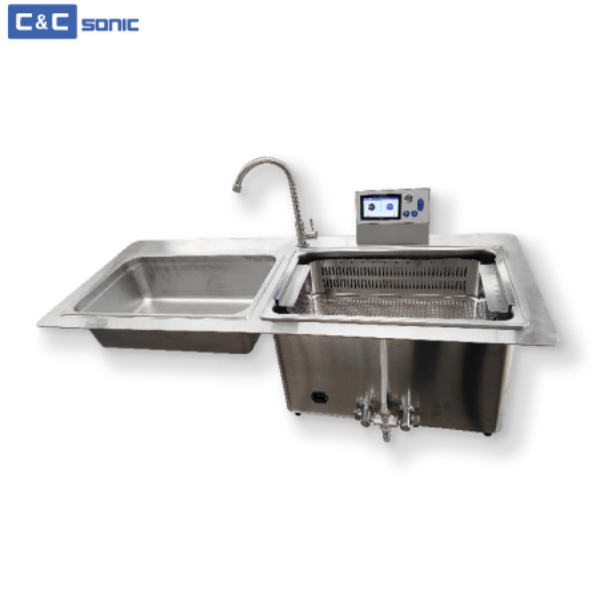
One of the main advantages of ultrasonic cleaners is their ability to clean items quickly and effectively. The ultrasonic waves generate millions of bubbles that continuously scrub the surfaces of items. This means that ultrasonic cleaners can clean large batches of items in a fraction of the time it would take with manual methods. The speed of the process is ideal for industries with high-volume cleaning needs.
Ultrasonic cleaning is a non-abrasive process, which means that it cleans delicate items without causing physical damage. For example, jewelry with intricate designs or small electronic components are cleaned safely, ensuring that no scratches or marks are left behind. Unlike traditional cleaning methods, which may involve scrubbing or using harsh chemicals, ultrasonic cleaning maintains the integrity of sensitive surfaces over time.
Ultrasonic cleaning is an environmentally friendly option because it uses water-based solutions and minimal chemicals. Unlike many traditional cleaning methods that require harsh chemicals and disposable cleaning pads, ultrasonic cleaning uses solutions that are gentle on both the environment and the items being cleaned. This makes it a sustainable choice for businesses looking to reduce their environmental footprint.
Before using your ultrasonic cleaner, gather the necessary items:
● Ultrasonic Cleaner: Choose a cleaner that fits the size and type of items you need to clean. Ultrasonic cleaners come in various sizes and power levels, so make sure you select one that meets your requirements.
● Cleaning Solution: Use a cleaning solution appropriate for the materials you're cleaning. Some ultrasonic cleaners are designed for specific solutions, such as jewelry cleaning solutions or medical-grade disinfectants.
● Water: Use distilled water to fill the tank. Distilled water prevents mineral buildup in both the items being cleaned and the cleaner’s tank.
● Items to Clean: Ensure that the items you're cleaning are free of large debris or dirt. If necessary, pre-clean the items manually to remove any heavy contaminants.
Once you have everything ready, it's time to set up the ultrasonic cleaner:
● Location: Place the ultrasonic cleaner on a flat, stable surface in a well-ventilated area.
● Tank Filling: Fill the ultrasonic cleaner's tank with distilled water, following the manufacturer’s instructions. Most cleaners have a minimum and maximum fill line to guide you. Make sure not to overfill the tank.
● Adding Cleaning Solution: If necessary, add the recommended amount of cleaning solution to the water. Be sure to follow the manufacturer’s instructions to ensure the right concentration.
Many ultrasonic cleaners come with a basket or tray designed to hold your items during the cleaning process. Here's how to load the objects correctly:
● Spacing: Avoid overcrowding the basket. Items should be spaced apart to allow the ultrasonic waves and cleaning solution to reach all surfaces evenly.
● Item Compatibility: Not all materials can be cleaned with ultrasonic cleaners. For instance, soft gemstones like opals and pearls may be damaged by ultrasonic cleaning. Always check the manufacturer's guidelines to ensure the items you're cleaning are compatible.
Once the tank is filled and your items are loaded, it's time to start the ultrasonic cleaner:
● Timer and Temperature: Set the cleaning time and temperature according to the manufacturer's recommendations. Typically, cleaning times range from 3-10 minutes, depending on the material and level of contamination.
● Power On: Turn on the ultrasonic cleaner. You will notice the ultrasonic waves forming bubbles within the cleaning solution, which indicates that the cleaning process is starting.
The ultrasonic waves will create microscopic bubbles that collapse on the surfaces of your items, gently removing dirt and contaminants. The cleaning process can be monitored, especially if your ultrasonic cleaner has a transparent lid:
● Monitoring: Watch the cleaning process through the transparent lid. You can adjust the timer or temperature settings if needed to ensure the items are being cleaned properly.
● Cleaning Time Settings: The cleaning time may vary based on the material and the contamination level. For example, jewelry may need 3-5 minutes, while medical tools may require 5-10 minutes for a deeper clean.
Item Type | Recommended Cleaning Time (Minutes) | Notes |
Jewelry | 3-5 minutes | Ideal for light dirt |
Medical Tools | 5-10 minutes | For heavy contaminants |
Small Metal Parts | 3-5 minutes | Effective for oil removal |
After the cleaning cycle is complete, it’s time to finish the process:
● Turn Off the Cleaner: Always turn off the ultrasonic cleaner and unplug it for safety.
● Rinsing: Remove the items from the cleaner and rinse them under clean, running water to remove any residual cleaning solution.
● Drying: Dry the items thoroughly using a soft, lint-free cloth. This prevents any water spots or residue from remaining on the items.
To ensure your ultrasonic cleaner performs optimally over time, regular maintenance is necessary:
● Clean the Tank: Regularly clean the ultrasonic cleaner’s tank to remove any buildup of dirt or residue.
● Store Properly: When not in use, store the ultrasonic cleaner in a dry, dust-free environment and keep it unplugged to prevent unnecessary wear and tear.
Maintenance Task | Frequency | Notes |
Clean the Tank | After each use | Wipe down with a damp cloth |
Storage | When not in use | Keep the cleaner unplugged |
Ultrasonic cleaners are highly effective for cleaning jewelry and watches. The gentle action of ultrasonic waves can remove dirt, oils, and residues from the most intricate parts of jewelry, such as gemstones and delicate metal settings. This method ensures that items are thoroughly cleaned without causing any wear or damage to the precious materials.
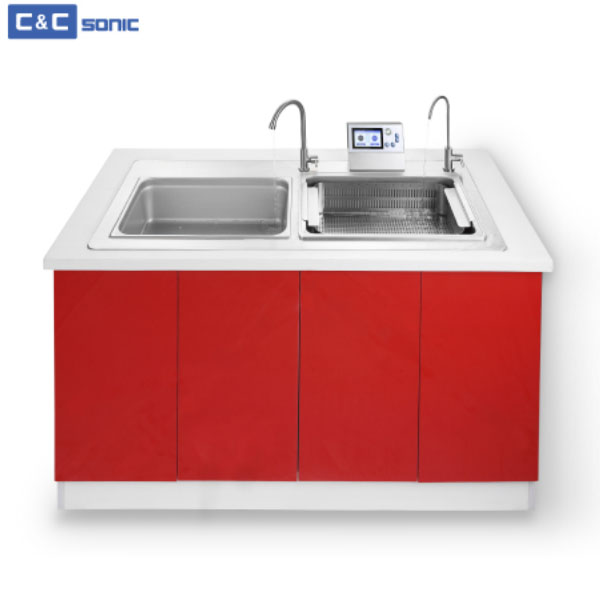
In healthcare settings, ultrasonic cleaners are widely used for cleaning medical instruments. Tools like scalpels, dental instruments, and diagnostic equipment can be thoroughly cleaned using ultrasonic waves. This cleaning method is not only effective in removing contaminants but also reduces the risk of cross-contamination, ensuring patient safety.
Ultrasonic cleaning is ideal for cleaning small electronic components, such as circuit boards, connectors, and sensors. The ultrasonic waves reach into tight spaces and remove dirt, dust, and oils without damaging sensitive components. This is particularly useful for improving the performance of electronic devices by ensuring that no contaminants affect the functioning of delicate parts.
Industry | Common Items Cleaned |
Jewelry | Rings, necklaces, bracelets |
Medical | Surgical tools, dental instruments |
Electronics | Circuit boards, sensors, connectors |
While ultrasonic cleaners are highly effective, it’s important to follow safety guidelines to ensure proper use:
● Eye and Ear Protection: Some ultrasonic cleaners may produce noise or aerosolization of the cleaning solution. Wear safety glasses and ear protection if necessary.
● Well-Ventilated Area: Use the cleaner in a well-ventilated area to avoid exposure to fumes or aerosols generated during the cleaning process.
● Avoid Overcrowding: Never overcrowd the cleaner. Items need space for the ultrasonic waves to reach all surfaces effectively.
● Consult the Manual: Always refer to the user manual for specific instructions and safety recommendations.
Ultrasonic cleaners offer a fast and effective way to clean delicate items. By following the step-by-step guide, you can ensure that your ultrasonic cleaner performs efficiently. This process helps prolong both the cleaner’s and the items' lifespan. Always follow safety instructions for the best results. With proper care, ultrasonic cleaning remains a valuable asset across industries. At YESON, our products offer superior cleaning solutions for a variety of needs.
A: An ultrasonic cleaner uses high-frequency sound waves to generate microscopic bubbles in a cleaning solution, which remove dirt and contaminants from delicate items.
A: Fill the tank with distilled water and cleaning solution, load your items in the basket, set the timer, and turn on the cleaner to start the cleaning process.
A: Ultrasonic cleaning reaches every crevice of jewelry, removing dirt and oils without causing damage, making it ideal for delicate items like rings and necklaces.
A: The cleaning cycle typically lasts 3-10 minutes, depending on the material and contamination level of the items being cleaned.