Views: 0 Author: Site Editor Publish Time: 2026-01-20 Origin: Site


Ultrasonic cleaning is revolutionizing the way we clean delicate items. Have you ever wondered how professionals clean intricate jewelry or sensitive medical instruments so thoroughly? The answer lies in the power of ultrasonic cleaners. In this article, we'll explore how ultrasonic cleaners work, the science behind their effectiveness, and the many industries that benefit from this technology. You'll also discover the key advantages of using ultrasonic cleaning over traditional methods.
The fundamental principle behind ultrasonic cleaning is cavitation. Ultrasonic cleaners emit high-frequency sound waves that travel through a cleaning solution, creating millions of microscopic bubbles. These bubbles rapidly expand and collapse, generating powerful shock waves. When these bubbles implode, they release intense energy that dislodges dirt, grease, and other contaminants from the surface of objects, even in hard-to-reach crevices. This process ensures a thorough clean without any physical scrubbing.
At the core of ultrasonic cleaning is the transducer, a component that converts electrical energy into high-frequency sound waves. These sound waves propagate through the cleaning solution, generating the cavitation effect. The transducer is typically mounted on the ultrasonic cleaner's tank, either at the bottom or on the sides, to ensure optimal distribution of sound waves throughout the solution. The high-frequency vibrations create microscopic bubbles that clean items efficiently by penetrating intricate shapes and hidden spaces.
The cleaning solution used in ultrasonic cleaners is a crucial component in the overall effectiveness of the process. While water can be used for some applications, specialized solutions are often mixed with water to enhance cleaning performance. These solutions help facilitate the cavitation process and provide additional cleaning power to break down stubborn contaminants like oils, grease, and polishing compounds. A proper cleaning solution ensures the ultrasonic cleaner operates at peak efficiency and delivers optimal results.

Ultrasonic cleaners are ideal for cleaning delicate items like rings, necklaces, and watches. These objects often accumulate dirt and oils in small cracks and settings that are difficult to clean manually. By using ultrasonic waves, the cleaner reaches these intricate areas, thoroughly removing dirt and oils without damaging the item. This cleaning method ensures that jewelry shines brightly and remains free of contaminants that could tarnish its appearance.
| Item Type | Contaminants Removed | Cleaning Parameters | Best Frequency Range |
|---|---|---|---|
| Jewelry (Rings, Necklaces, Watches) | Dirt, oil, makeup residue, buffing compounds | Clean for 3-5 minutes in ultrasonic solution. Use gentle settings for delicate pieces. | 40-60 kHz (gentle cleaning) |
| Materials Suitable | Precious metals, gemstones, stainless steel | Use water-based or mild alkaline solution for best results. | |
| Maintenance Tip | Regularly change cleaning solution to prevent contaminant buildup. | Note: For pieces with gemstones, ensure ultrasonic cleaning does not damage the stones. |
In the medical and dental fields, ultrasonic cleaners are indispensable for cleaning surgical tools, dental instruments, and implants. These instruments often come into contact with blood, tissue, and other biological materials, requiring thorough cleaning before sterilization. Ultrasonic cleaning ensures that even the smallest crevices are cleaned, reducing the risk of infection and improving hygiene. It is also faster and more efficient than traditional manual cleaning methods.
Automotive parts such as carburetors, pistons, and engine components often accumulate grease, carbon buildup, and oils. Ultrasonic cleaners are highly effective at removing these contaminants, ensuring that components are clean and function optimally. In the aerospace industry, components like turbine blades and hydraulic systems benefit from ultrasonic cleaning, which removes grease and oxidation while maintaining the integrity of these critical parts.
One of the key benefits of ultrasonic cleaning is its efficiency. Traditional cleaning methods, such as manual scrubbing or using harsh chemicals, can be time-consuming and labor-intensive. Ultrasonic cleaners, on the other hand, clean multiple items at once in a fraction of the time. With just a few minutes of cleaning, ultrasonic machines can provide thorough results, saving businesses significant time and labor costs.
Unlike traditional abrasive cleaning methods, ultrasonic cleaning is non-destructive and gentle on delicate surfaces. Items like jewelry, eyeglasses, and electronics can be cleaned without the risk of scratches or damage. The ultrasonic waves reach deep into crevices and intricate designs, ensuring a gentle yet effective cleaning process. This makes ultrasonic cleaning especially suitable for valuable or fragile items.
Ultrasonic cleaning is an eco-friendly alternative to traditional cleaning methods. It reduces the need for harsh chemicals, which can be harmful to both the environment and the user. Additionally, ultrasonic cleaning uses less water compared to other methods, making it a sustainable choice. Many ultrasonic cleaners also feature energy-efficient designs, further contributing to their environmentally friendly nature.
Understanding the common contaminants that ultrasonic cleaners can remove helps in choosing the right approach for cleaning. Below is a table detailing the common contaminants and corresponding cleaning parameters.
| Contaminant | Properties | Cleaning Solution | Recommended Frequency |
|---|---|---|---|
| Dirt & Dust | Loose dirt particles, surface debris | Use a mild water-based solution with surfactants. | 20-40 kHz (strong cleaning) |
| Oil & Grease | Heavy, sticky oils and lubricants | Use a degreasing solution specifically formulated for oils. | 25-50 kHz (medium cleaning) |
| Maintenance Tip | Regular cleaning of the tank and replacement of the cleaning solution ensures optimal performance. | Note: Ensure the solution's temperature is maintained to enhance the effectiveness of cavitation. |
Tip: For grease-heavy components, opt for a higher frequency (40 kHz) to ensure thorough removal without leaving residues behind.
Rust and carbon buildup are common contaminants found on metal parts, particularly in automotive and industrial applications. Ultrasonic cleaners are capable of removing these stubborn deposits without damaging the underlying surface. The high-pressure cavitation generated by the ultrasonic waves breaks down rust and carbon, restoring the metal’s original condition and improving the performance of the parts.
After polishing or buffing, items often retain small residues that can be difficult to remove. Ultrasonic cleaners are highly effective at removing polishing compounds and buffing residues, leaving the surface of the item spotless. Whether it’s jewelry, automotive parts, or electronics, ultrasonic cleaning ensures that no residues are left behind, providing a clean and smooth finish.
To maintain optimal performance, ultrasonic cleaners should be properly maintained and the cleaning solution should be regularly replaced. Dirty or contaminated solutions reduce the effectiveness of the cleaning process. Additionally, the ultrasonic cleaner’s tank and components, such as the transducers, should be checked regularly for wear and tear. Regular maintenance ensures the longevity of the machine and prevents issues that could affect cleaning performance.
| Maintenance Task | Details | Frequency/Duration | Additional Notes |
|---|---|---|---|
| Fluid Replacement | Replace cleaning solution after every 15-20 cleaning cycles. | Every 15-20 uses, or when solution appears dirty. | Use water-based or solvent solutions. |
| Tank Cleaning | Clean the tank after every cycle to remove residual contaminants. | After each cleaning cycle. | Do not use abrasive cleaners for cleaning. |
| Transducer Inspection | Ensure transducers are working properly and are not worn out. | Monthly check for optimal performance. | Any visible damage or cracks should be repaired immediately. |
| Frequency Calibration | Regular calibration of the ultrasonic cleaner is necessary to maintain effective cavitation. | Every 3-6 months. | Regular calibration ensures efficient performance. |
Choosing the correct cleaning solution is essential for achieving the best results. The solution should be tailored to the type of contamination being removed. For example, an alkaline solution may be used for removing oils and greases, while a mild acid solution might be required for rust removal. Always follow the manufacturer’s recommendations for selecting and using cleaning solutions to avoid damaging the items being cleaned.
While ultrasonic cleaning is gentle, it’s essential to be cautious when cleaning delicate or sensitive items, such as gemstones or plastics. Items with glued components, soft stones, or fragile coatings may not be suitable for ultrasonic cleaning. Always test a small, inconspicuous area before cleaning the entire item, and use the machine's gentle settings for delicate objects to prevent damage.
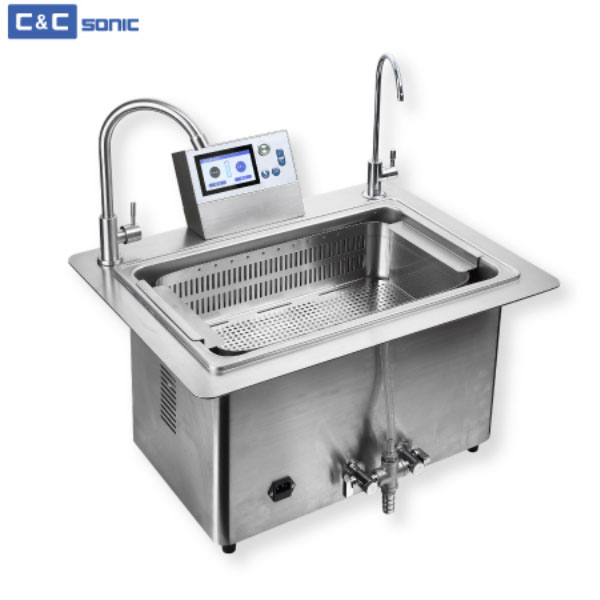
Ultrasonic cleaning offers significant advantages over traditional cleaning methods, including time efficiency, precision, and cost-effectiveness. The following table compares the two methods across several key metrics to highlight their differences and benefits.
| Comparison Factor | Ultrasonic Cleaning | Traditional Methods | Key Benefits of Ultrasonic Cleaning |
|---|---|---|---|
| Cleaning Time | Typically 3-10 minutes per batch | 15-60 minutes per item (manual scrubbing) | Ultrasonic cleaning reduces cleaning time by up to 80%. More efficient for high volumes. |
| Labor Requirements | Minimal labor; items are placed in the tank and cleaned automatically. | Requires manual scrubbing, inspection, and handling for each item. | Ultrasonic cleaning reduces labor costs and human error. |
| Items Cleaned Simultaneously | Multiple items can be cleaned at once in one batch. | Only one item at a time, requiring multiple cycles for larger batches. | Increases cleaning capacity and throughput. |
| Precision in Cleaning | High precision; reaches intricate details, cracks, and hard-to-reach areas with ease. | Limited precision; manual cleaning often misses small crevices and complex geometries. | Provides thorough cleaning of delicate parts like jewelry and electronics. |
| Typical Frequency Range | 20-40 kHz for heavy-duty cleaning; 40-80 kHz for precision cleaning | N/A | Ultrasonic waves create tiny bubbles that remove dirt from deep within components. |
| Contaminants Removed | Dirt, grease, oils, rust, carbon deposits, polishing residues, bacteria (with special solutions). | Dirt, oils, grease, but often requires harsh chemicals for tough contaminants. | Effective against a broader range of contaminants without chemicals. |
| Cost of Equipment | Higher initial cost ($500 to $30,000+ depending on size and application) | Lower initial cost (typically <$500 for basic tools). | Cost-effective in the long run due to savings in labor and chemicals. |
| Chemical Use | Minimal to none; water-based or mild solvents used. | Often requires harsh chemicals for tough contaminants. | Environmentally friendly, reduces chemical waste. |
| Maintenance Requirements | Requires periodic fluid changes and transducer checks. | Frequent replacement of cleaning supplies and brushes; labor costs for maintenance. | Less maintenance and longer lifespan of equipment. |
Tip: For businesses focused on cleaning a large number of items, ultrasonic cleaning is far more efficient in terms of both time and labor. The high precision and ability to clean delicate items without damage make it an ideal choice for high-volume operations.
Ultrasonic cleaners are transforming the cleaning process across multiple industries, offering efficient, safe, and environmentally friendly solutions. By utilizing high-frequency sound waves, ultrasonic cleaners deliver precision cleaning for delicate items like jewelry, medical instruments, and automotive components. Their ability to thoroughly clean intricate surfaces while saving time and reducing costs makes them indispensable. NINGBO HAISHU YESON MEDICAL DEVICE CO., LTD. offers ultrasonic cleaners that enhance the cleaning process in the medical and industrial fields, ensuring optimal performance and value for businesses that prioritize cleanliness and efficiency.
A: An Ultrasonic Cleaner uses high-frequency sound waves to create microscopic bubbles in a cleaning solution. These bubbles collapse, generating powerful shock waves that remove dirt, oils, and contaminants from delicate and intricate objects.
A: Ultrasonic Cleaners emit sound waves through a cleaning solution, causing microscopic bubbles to form. These bubbles implode, creating shock waves that clean even the most intricate surfaces without physical scrubbing.
A: Ultrasonic Cleaners can clean a wide range of items, including jewelry, medical instruments, automotive parts, and electronics. They are particularly effective for delicate objects with hard-to-reach areas.
A: Ultrasonic Cleaners offer precision cleaning, especially for delicate items, and they save time and labor compared to traditional methods. They are gentle, effective, and environmentally friendly.
A: Yes, Ultrasonic Cleaning is safe for sensitive materials like gemstones and electronics. It gently cleans without causing damage, as long as the proper settings are used for each item.
A: The cost of an Ultrasonic Cleaner can range from $100 for small, basic models to several thousand dollars for high-end industrial machines. Prices depend on size, features, and intended use.