Views: 240 Author: Site Editor Publish Time: 2025-12-08 Origin: Site


Steam sterilizers play a vital role in ensuring safety and hygiene across various industries. By applying high-pressure steam, they effectively eliminate harmful microorganisms from equipment and tools.
In this article, we will discuss what a steam sterilizer is, how it works, and why it is essential in fields like healthcare and research.You will learn about different types of steam sterilizers, their advantages, and key applications in various sectors.
Steam sterilization is essential in preventing the spread of infections, particularly in medical settings where contamination can lead to serious consequences. By thoroughly eliminating pathogens, steam sterilizers play a vital role in maintaining sterile environments, improving patient safety, and protecting staff from harmful microbes. This process is one of the most reliable, eco-friendly, and cost-effective methods of ensuring hygiene in healthcare and research facilities.
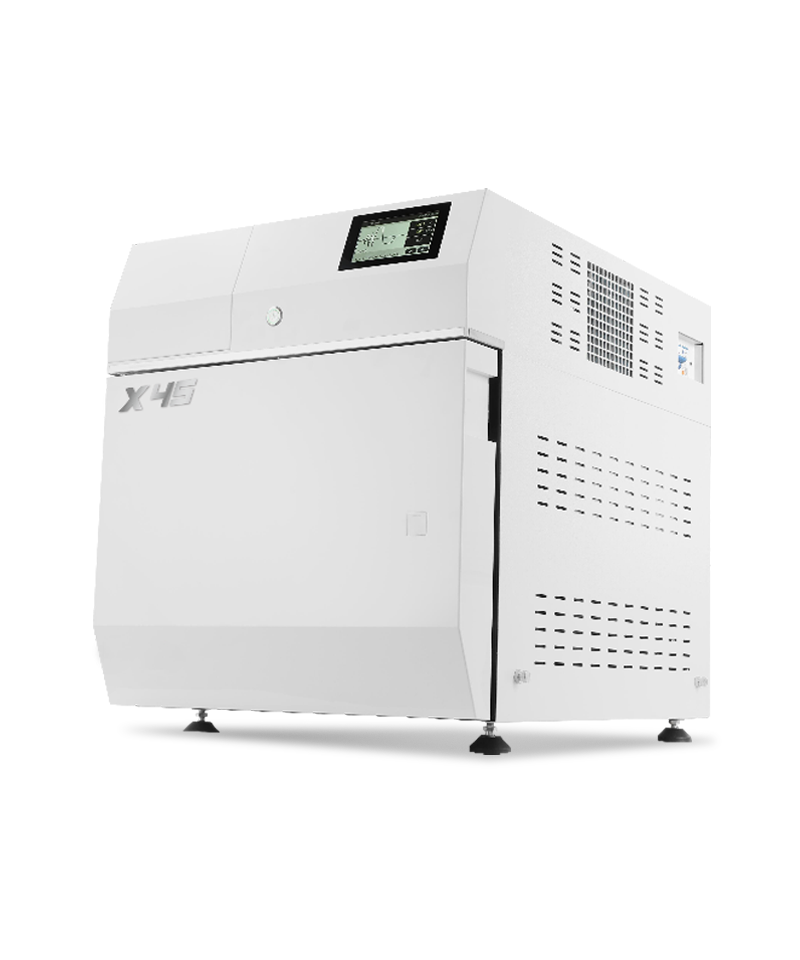
A steam sterilizer works by generating steam from water and pressurizing it within a sealed chamber. The high pressure increases the temperature of the steam, which then penetrates the objects placed inside the sterilizer. This process kills microorganisms, such as bacteria, viruses, fungi, and spores, by denaturing their proteins, making them inactive and unable to cause harm.
The key to effective sterilization is maintaining the right balance of temperature, pressure, and exposure time. Too low of a temperature or insufficient pressure can result in incomplete sterilization, while too high of a temperature could damage the items being sterilized. For steam sterilizers to be effective, it's critical to follow the manufacturer's guidelines for temperature, pressure, and exposure duration.
● Temperature: Steam typically reaches 121°C (250°F) to 134°C (273°F) in the sterilization chamber.
● Pressure: Increased pressure is essential for maintaining the high temperatures required for effective sterilization.
● Exposure Time: Sterilization requires maintaining these conditions for a certain period, which depends on the type of materials being sterilized.
The steam sterilization process involves several key components that work together to ensure thorough sterilization.
The pressure chamber is the core area of the sterilizer where steam is generated and contained. This chamber must withstand high pressure and maintain consistent steam temperature throughout the sterilization cycle.
The steam generation system is responsible for converting water into high-pressure steam. This is achieved by heating the water until it reaches its boiling point, and then pressurizing the steam to the required levels.
After sterilization, cooling mechanisms are essential to regulate the temperature inside the sterilizer. This step prevents potential damage to sensitive materials and ensures that the sterilizer operates efficiently for the next cycle.
Vacuum Pump
In high-vacuum models, a vacuum pump may be used to remove air from the chamber before steam is introduced. The removal of air enhances steam penetration, ensuring even sterilization of porous items or wrapped materials.
Once the sterilization cycle begins, steam circulates within the chamber. This process ensures that all surfaces of the items being sterilized are exposed to the high-pressure steam. As steam fills the chamber, it displaces air and saturates all items inside, including hard-to-reach areas like crevices and holes.
Thorough steam penetration is essential to ensure complete elimination of microorganisms. Without this, some areas might remain unsterilized, potentially leading to contamination.
Proper steam circulation ensures:
Even Exposure: All surfaces and areas are exposed to the sterilizing steam.
Complete Microbial Elimination: Steam reaches and neutralizes even the most resilient pathogens in hard-to-reach spaces.
This efficient steam circulation is critical to maintaining the effectiveness of the steam sterilization process.
Gravity displacement sterilizers work by allowing steam to enter from the top of the chamber, pushing out the air at the bottom. They are commonly used for non-porous items such as metal tools and equipment. The process takes longer than other methods, but it is ideal for many applications, especially where rapid sterilization is not critical.
Pre-vacuum steam sterilizers use a vacuum pump to remove air from the chamber before introducing steam. This allows steam to penetrate more quickly into porous materials, ensuring a faster and more efficient sterilization process. These sterilizers are ideal for complex items, such as wrapped surgical instruments or medical devices with lumens.
Portable Steam Sterilizers: Small, compact models designed for clinics and dental offices, ideal for sterilizing small instruments.
Vertical and Horizontal Steam Sterilizers: These larger sterilizers can handle high-volume sterilization needs, with either vertical or horizontal chambers depending on the space requirements.
Sterilizer Type | Ideal Use | Speed | Efficiency | Application |
Gravity Displacement | Non-porous items like metal tools | Medium | Good | Laboratories, healthcare |
Pre-Vacuum (High-Vacuum) | Porous items, wrapped materials | Fast | Very Good | Healthcare, pharmaceuticals |
Portable Steam Sterilizers | Small instruments in clinics | Fast | Good | Dental, small clinics |
Vertical/Horizontal Sterilizers | Large loads, heat-sensitive items | Medium | Excellent | Research labs, hospitals |
One of the most significant benefits of steam sterilizers is their speed. In just 15–30 minutes, they can sterilize large volumes of equipment, making them ideal for environments like hospitals, where fast turnaround times are crucial for maintaining high throughput.
Steam sterilizers are incredibly versatile. They can sterilize a wide range of materials, from medical instruments to textiles, and are used in many different industries, including healthcare, pharmaceuticals, and food safety. Their ability to handle different types of items with varying sterilization requirements makes them indispensable in maintaining hygienic standards.
Unlike chemical sterilizers, steam sterilizers do not leave harmful residues behind. The use of water vapor instead of chemicals ensures an eco-friendly process that poses no environmental risks. This is especially important in healthcare, where avoiding contamination from chemicals is essential for patient safety.
By ensuring that all medical tools are sterilized to the highest standards, steam sterilizers play a vital role in reducing the risk of infections. Furthermore, their efficiency helps improve hospital workflows by minimizing downtime between procedures and ensuring that equipment is ready for immediate use.
In hospitals and clinics, steam sterilizers are essential for sterilizing surgical instruments, medical linens, and other critical items. By ensuring that all tools are free from harmful microorganisms, they help prevent hospital-acquired infections, which can have serious consequences for patient health.
In research labs, steam sterilizers ensure that equipment, chemicals, and biological samples are free from contamination. This is particularly important in pharmaceutical manufacturing, where sterility is critical to ensuring the safety and efficacy of drugs and medical devices.
In the food industry, steam sterilizers are used to sterilize packaging and equipment, ensuring food safety and extending shelf life. This is essential for meeting hygiene standards and preventing contamination in food products.
Steam sterilization offers several significant advantages over chemical sterilization. Chemical sterilizers, while effective, often leave behind harmful chemical residues, which could potentially pose health risks to patients or staff, especially in healthcare settings. Furthermore, chemical sterilization methods may require additional disposal procedures to manage hazardous waste, making them less environmentally friendly.
On the other hand, steam sterilization only uses water vapor, making it a much safer and more eco-friendly alternative. There are no harmful residues to dispose of, and the process produces no toxic by-products, making it ideal for environments where sustainability is a priority. Additionally, steam sterilization has a higher reliability, as it is not susceptible to variations in chemical potency or human error during mixing or application, ensuring consistent sterilization.
● No Harmful Residues: No toxic by-products remain after sterilization.
● Eco-friendly: Uses only water vapor, reducing environmental impact.
● Consistent Results: Less susceptible to variations compared to chemical sterilization.
Dry heat sterilizers are an alternative method of sterilization that require longer exposure times and higher temperatures compared to steam sterilizers. This makes the process slower and less efficient, especially in high-demand environments like hospitals and laboratories, where time is critical. For example, dry heat sterilization typically requires temperatures of up to 160°C (320°F) for at least 2 hours to ensure proper sterilization.
In contrast, steam sterilizers operate at significantly higher temperatures—typically between 121°C (250°F) and 134°C (273°F)—and complete the sterilization process in as little as 15-30 minutes. This faster sterilization cycle allows for a quicker turnaround time, reducing downtime for equipment and improving overall operational efficiency.
Higher Temperature: Steam sterilizers reach sterilizing temperatures more quickly.
Shorter Exposure Time: Reduced sterilization time ensures faster operation and reuse of equipment.
While steam sterilizers may require a higher initial investment compared to dry heat or chemical sterilization equipment, they offer significant long-term cost savings. This is because steam sterilizers do not require ongoing purchases of chemical disinfectants, which can be costly over time. Additionally, steam sterilizers help reduce waste disposal costs associated with chemical sterilization, as no hazardous chemicals need to be disposed of after use.
Furthermore, steam sterilizers tend to have longer lifespans than their chemical or dry heat counterparts. With proper maintenance, they can operate efficiently for many years, offering a higher return on investment (ROI) in the long run. This makes them particularly suitable for industries with high sterilization demands, such as healthcare, pharmaceuticals, and food processing.
No Chemical Purchases: Eliminates ongoing costs for chemical sterilants.
Low Disposal Costs: Reduces waste disposal fees associated with hazardous chemicals.
Durability: Steam sterilizers are built to last, providing a greater ROI over time.
Regular maintenance is crucial for ensuring the optimal performance of steam sterilizers. Routine tasks include cleaning the sterilization chamber, checking the pressure gauges, and inspecting the steam generation system. This ensures that the sterilizer operates efficiently and prolongs its service life.
Common issues with steam sterilizers include leaks, steam inconsistencies, and temperature fluctuations. Regular inspection and maintenance can help identify these problems early and prevent downtime. It’s important to address issues such as malfunctioning vacuum pumps or faulty pressure gauges promptly.
Steam sterilizers are essential in industries like healthcare, pharmaceuticals, and food processing. They provide fast, efficient, and environmentally friendly sterilization, ensuring safety in sensitive environments.
Choosing the right steam sterilizer depends on factors like material type, sterilization speed, and available space. Understanding your specific needs will help you select the best sterilizer for your facility.
At NINGBO HAISHU YESON MEDICAL DEVICE CO., LTD., we offer advanced steam sterilizers that meet high industry standards, providing reliable and efficient sterilization solutions for your needs.
A: A steam sterilizer is a device that uses high-pressure steam to eliminate harmful microorganisms from tools and equipment.
A: A steam sterilizer generates steam under pressure, which penetrates objects to destroy bacteria, viruses, and fungi.
A: A steam sterilizer is essential in healthcare for ensuring that medical instruments are free from harmful microorganisms.
A: Steam sterilizers can sterilize a wide range of materials, including metal, glass, and heat-resistant plastics.
A: The cost of a steam sterilizer depends on the size and type, ranging from several hundred to thousands of dollars.
A: Steam sterilizers are efficient, eco-friendly, and fast, making them ideal for ensuring sterility in healthcare and research.