Views: 0 Author: Site Editor Publish Time: 2025-12-23 Origin: Site


What if you could eliminate harmful microorganisms in seconds? Autoclave sterilizers make this possible. These high-pressure steam machines are used across industries, from hospitals to laboratories, to sterilize equipment and materials by killing bacteria, viruses, and fungi.
In this article, you will learn about the function of an autoclave sterilizer, how it works, and its vital role in maintaining safety and hygiene. We'll also explore different types of autoclaves and their applications.
An autoclave sterilizer is a device that uses steam under high pressure to sterilize a wide range of materials, including medical instruments, laboratory equipment, and industrial materials. The sterilization process works by heating the steam to high temperatures, typically between 121°C and 135°C (250°F and 275°F), under pressure. This combination of heat and pressure effectively destroys microorganisms and spores that may be present on or inside items placed in the autoclave chamber.
Autoclaves are widely used in various fields such as healthcare, pharmaceuticals, and scientific research. They ensure that the items being sterilized are free from any harmful pathogens, making them safe for use in medical procedures or industrial applications.
Autoclave sterilizers follow a specific sterilization cycle that consists of three critical phases: conditioning, exposure, and exhaust. Each phase is essential for ensuring that the steam can penetrate the items effectively, reach the required temperature, and kill any microorganisms.
Conditioning Phase (C): This is the first phase of the autoclave cycle. During this phase, air is removed from the sterilizer chamber because air can prevent steam from reaching all areas of the items being sterilized. Some autoclaves use a vacuum system to remove the air, while others use a series of steam pulses to force the air out.
Exposure Phase (S): Once all the air is removed, steam is introduced into the chamber. This steam rapidly raises the pressure and temperature within the chamber to the set sterilization level. Items are held at this sterilization temperature for a fixed period to ensure complete sterilization.
Exhaust Phase (E): After the exposure phase, the sterilizer’s pressure is slowly released, and the steam is vented out of the chamber. This depressurization allows the sterilized items to cool and dry.
Time, Temperature, and Steam Quality are the three primary factors that determine the success of the autoclave sterilization process. Each factor must be carefully controlled to ensure proper sterilization.
Autoclaves come in various types, each suited for different applications based on load types, sterilization needs, and efficiency. The main differences in types of autoclaves lie in how they remove air and deliver steam, as well as the size and design of the sterilizer. Understanding these differences is crucial for selecting the right autoclave for your needs.
Autoclave Type | Description | Ideal Use |
Gravity Displacement Autoclaves | Steam enters the chamber and displaces the air, which then escapes through a drain. | Sterilizing non-porous, solid items such as glassware and metal tools. |
Pre-Vacuum (High-Vacuum) Autoclaves | A vacuum pump removes air before steam is introduced, ensuring deeper steam penetration into porous items. | Sterilizing wrapped or porous items, such as surgical tools and medical equipment. |
Steam Flush Pressure Pulse (SFPP) Autoclaves | Uses a combination of steam flushes and pressure pulses to remove air. The process is energy-efficient and faster than pre-vacuum. | Sensitive instruments requiring quicker sterilization cycles. |
Liquid Cycle Autoclaves | Designed for sterilizing liquids, with slow exhaust to prevent boiling over. | Sterilizing laboratory media, broths, or other liquid substances. |
Prion Cycle Autoclaves | Uses extended, higher-temperature cycles for sterilization of instruments exposed to prions. | Sterilizing instruments exposed to high-risk biological materials, such as in neurosurgery. |
Type | Operation Method | Best For |
Gravity Displacement | Steam pushes air out through gravity | Non-porous solids |
Pre-Vacuum | Vacuum removes air, then steam enters | Wrapped or porous items |
Steam Flush Pressure Pulse | Steam pulses displace air | Complex instruments |
Liquid Cycle | Slow exhaust prevents liquid boil-over | Laboratory media and broths |
Prion Cycle | Extended high-temperature cycles | Instruments exposed to prions |
Choosing the right autoclave sterilizer depends on various factors, including the type of materials being sterilized, the volume of items to be sterilized, and the sterilization standards required.
Medical vs. Industrial Autoclaves: Medical autoclaves are designed for sterilizing surgical instruments and other medical equipment, while industrial autoclaves are used for processing materials in manufacturing environments, such as in the food or automotive industries.
Small (Tabletop) vs. Large Autoclaves: Small tabletop autoclaves are suitable for small clinics and laboratories, while large autoclaves can handle high volumes of items and are used in hospitals, manufacturing plants, and research facilities.
Consider the volume of items you need to sterilize, the type of material, and the frequency of use. Small-scale clinics or labs may only need a tabletop model, while hospitals and large research labs will require larger, more complex autoclaves capable of handling high volumes.
Autoclaves play a significant role in various industries, particularly healthcare, laboratories, and industrial settings. Their versatility and effectiveness make them indispensable tools in sterilizing medical instruments, laboratory equipment, and even food products.
In healthcare settings, autoclaves are primarily used for sterilizing surgical instruments, medical tools, and other critical devices. Sterilization is crucial in preventing infections during surgeries, procedures, and patient care.
Sterilizing Surgical Instruments and Medical Equipment
Ensuring Sterility in Hospitals and Clinics: Autoclaves are used to maintain hygiene and prevent the transmission of infections, ensuring that all medical instruments are safe for use.
Autoclaves are also vital in laboratories, where they are used to sterilize glassware, tools, and microbiological culture media. By sterilizing lab equipment, autoclaves ensure that experiments are not contaminated, leading to accurate and reliable results.
Microbiological Culture Media Sterilization: Sterilizing culture media, petri dishes, and other laboratory equipment ensures that researchers can safely grow and test microorganisms without contamination.
Autoclaves also play a critical role in the pharmaceutical industry, where they are used to sterilize both equipment and drug products.
● Autoclaves in Biotech and Vaccine Production: Autoclaves ensure that components, containers, and processing equipment involved in vaccine and biologic drug production are sterile.
● Sterilizing Materials in the Pharmaceutical Industry: Autoclaves help sterilize pharmaceuticals, ensuring that medicines are free from harmful pathogens and safe for consumption.
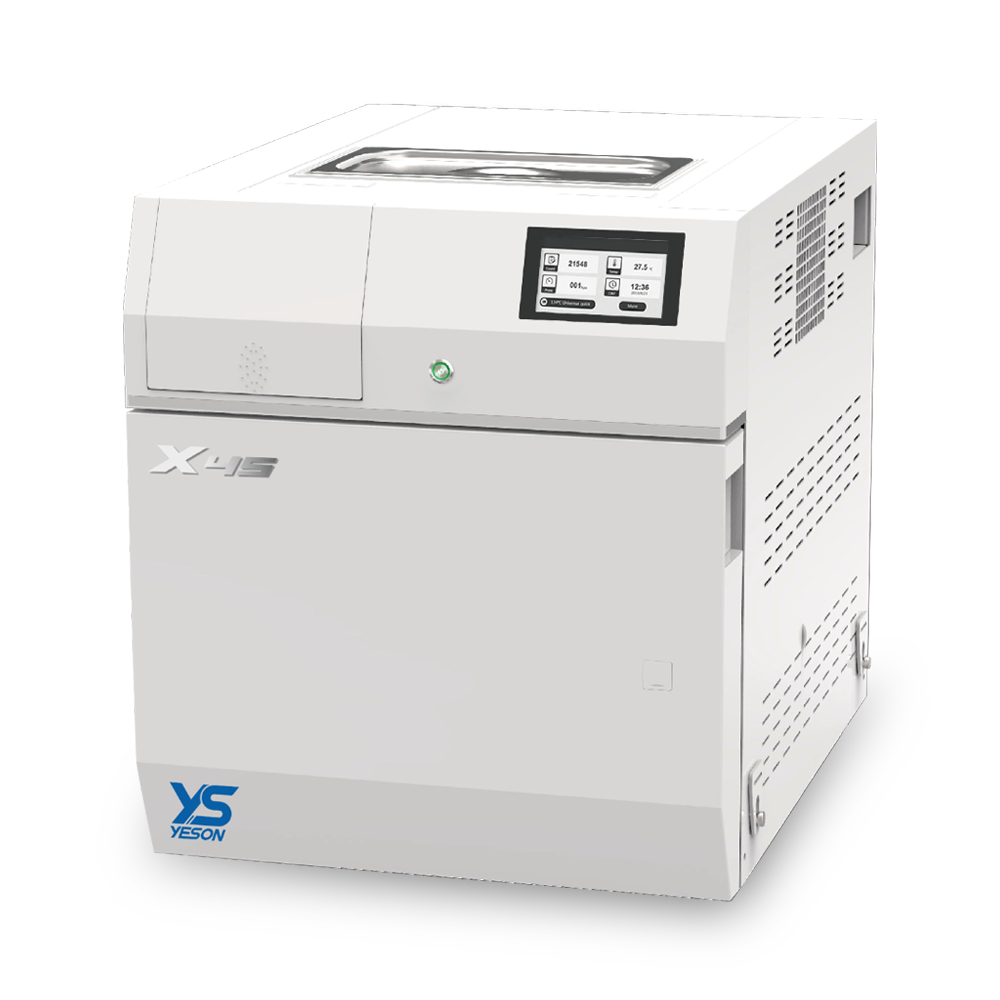
Autoclaves offer a wide range of benefits, making them a preferred choice for sterilization in healthcare, laboratories, and industrial settings. Below are some of the key benefits of using an autoclave sterilizer:
One of the primary benefits of using an autoclave sterilizer is its ability to effectively eliminate a wide range of microorganisms, including bacteria, viruses, fungi, and spores. Autoclaves are highly reliable and versatile sterilization tools, ensuring that items are safe to use in medical and industrial applications.
Modern autoclaves provide fast and effective sterilization cycles. The combination of high pressure and heat ensures that sterilization is achieved in a short amount of time, saving both time and energy. Additionally, autoclaves are equipped with safety features to protect users from the risks associated with high pressure and steam.
Autoclaves can sterilize items quickly and efficiently, making them ideal for environments where time is crucial.
Autoclaves come with several safety features, such as pressure sensors and automatic shutoff systems, ensuring that the machine operates safely and efficiently.
Although autoclaves can be an expensive investment upfront, they are cost-effective over time. The efficiency and reliability of autoclaves mean that they require minimal maintenance and provide a long-term solution for sterilization.
When evaluating the cost-effectiveness of an autoclave, it’s important to consider the total cost of ownership, including the costs of maintenance, utility consumption, and monitoring products. Over time, these factors can impact the overall cost per sterilization cycle.
Understanding the cycle times and temperature ranges required for autoclave sterilization is crucial for ensuring effective sterilization. The temperature and time requirements depend on the type of material being sterilized and the level of sterilization needed.
Autoclaves typically operate at temperatures between 121°C and 135°C (250°F and 275°F), depending on the application. The exposure time will vary depending on the item being sterilized, with more complex or larger items requiring longer exposure times.
121°C (250°F): Standard temperature for most sterilization needs.
132°C (270°F): Used for faster sterilization of non-porous materials.
135°C (275°F): High-temperature sterilization for more challenging materials.
Several factors influence the sterilization cycle time, including:
● Load Type: Smaller items or non-porous materials may require less time, while porous or wrapped items require more time.
● Material Composition: Heat-sensitive materials may require lower temperatures and longer cycles.
● Size and Shape of the Load: Larger or denser materials will take longer to reach the desired sterilization temperature.
Each autoclave cycle is carefully designed to match the requirements of specific items, ensuring effective sterilization while maintaining the integrity of the materials being processed.
While autoclaves are highly effective, there are some challenges in achieving optimal sterilization. Understanding these challenges and knowing how to overcome them is crucial for ensuring the effectiveness of the autoclave process.
Air trapped inside the autoclave chamber can prevent proper sterilization. This is particularly problematic when sterilizing porous items, which may have pockets of air that shield parts of the material from steam exposure. To avoid this, ensure that air is completely removed during the conditioning phase of the sterilization cycle.
Regularly inspect the autoclave’s vacuum system and seals to ensure air is removed efficiently.
Use steam pulse or pre-vacuum cycles for porous items.
Routine maintenance is key to ensuring that the autoclave remains in good working condition. Regular cleaning, calibration, and testing will help prevent malfunctions and ensure that the autoclave continues to provide reliable sterilization.
If the autoclave isn’t reaching the required temperature or pressure, check for faulty sensors or blockages in the steam lines.
Always perform routine checks and calibration to maintain performance.
Perform regular testing of temperature and pressure to ensure proper functioning.
Keep the chamber clean and free from debris to prevent clogs.
Autoclave sterilizers are essential in ensuring sterile environments across industries. They effectively sterilize medical instruments, lab equipment, and industrial materials, ensuring the safety of patients, researchers, and consumers. By understanding how autoclaves work, their various types, and their benefits, you can make informed decisions when selecting one. Regular maintenance and careful cycle selection will keep your autoclave performing efficiently. NINGBO HAISHU YESON MEDICAL DEVICE CO., LTD. offers high-quality autoclaves designed to meet diverse sterilization needs, providing reliable performance and value.
A: An autoclave sterilizer is a machine that uses high-pressure steam to kill harmful microorganisms on various items.
A: An autoclave sterilizer works by introducing steam at high temperatures and pressure to sterilize equipment.
A: Autoclave sterilizers ensure the sterilization of medical instruments, reducing infection risks in healthcare settings.
A: Autoclave sterilizers effectively eliminate microorganisms, ensuring safe and sterile medical and laboratory equipment.
A: The cost of an autoclave sterilizer varies depending on size, type, and features, with medical models often being pricier.
A: A gravity displacement autoclave uses steam to push out air, while a pre-vacuum autoclave removes air using a vacuum before steam is introduced.