Views: 0 Author: Site Editor Publish Time: 2026-03-13 Origin: Site


Ultrasonic cleaners are powerful tools that use high-frequency sound waves to clean delicate items. These sound waves create microscopic bubbles in a liquid solution, effectively removing dirt, oil, and contaminants. In this article, we will explore what ultrasonic cleaners are used for and how they benefit industries such as jewelry, medical, and electronics. You’ll also learn how this cleaning method is more efficient than traditional methods. At YESON, we offer ultrasonic cleaners that are built for efficiency, providing you with effective cleaning solutions for various needs.
The power of an ultrasonic cleaner lies in its cavitation process. Ultrasonic cleaners generate high-frequency sound waves that create microscopic bubbles in a cleaning solution. As the bubbles expand and collapse, they generate intense energy that dislodges contaminants from the surface of the items being cleaned. This process allows ultrasonic cleaners to clean even the smallest crevices, which traditional cleaning methods might miss.
The cavitation process is essential for cleaning delicate items, as it ensures a gentle yet thorough cleaning action. The cleaner can penetrate intricate surfaces and deep holes, providing a detailed clean without causing any damage to the items.
An ultrasonic cleaner consists of several key components: the tank, transducers, and control system. The tank holds the cleaning solution and items to be cleaned, while the transducers emit the ultrasonic waves through the liquid. The control system allows the user to adjust settings like frequency, cleaning time, and temperature to achieve the desired cleaning results. Some ultrasonic cleaners also have heating elements to enhance cleaning performance by loosening grease and oils more effectively.

Ultrasonic cleaners are particularly effective for cleaning delicate jewelry pieces, such as rings, necklaces, and bracelets. The cavitation process is gentle enough to clean gemstones and precious metals without causing any damage. Jewelry cleaners are a popular choice among jewelers for providing a thorough clean that restores the shine of precious metals and gemstones.
In jewelry cleaning, the solution typically consists of distilled water mixed with a mild detergent, specifically designed for cleaning jewelry. The ultrasonic waves created by the cleaner penetrate every small crack and crevice, removing dirt, tarnish, and oil without harming the items.
Application | Cleaning Solution Ratio | Water Type |
Jewelry Cleaning | 10% Solution | Distilled Water |
Medical Tools | 5% Solution | Distilled Water |
Electronics | 10% Solution | Distilled Water |
In medical and dental settings, ultrasonic cleaners play a vital role in ensuring the cleanliness and hygiene of surgical instruments, dental tools, and diagnostic equipment. These tools are exposed to various contaminants, including blood, tissue, and other biohazards, which can be difficult to remove manually. The ultrasonic cleaner uses sound waves to clean these instruments thoroughly, ensuring they are free of contaminants and ready for sterilization.
Ultrasonic cleaning is beneficial for medical equipment because it reaches small and complex parts of the tools, ensuring no contamination is left behind. This process helps maintain high hygiene standards and reduces the risk of infection.
The electronics industry also benefits greatly from ultrasonic cleaning technology. Delicate components such as printed circuit boards (PCBs), sensors, and connectors require precise cleaning to maintain their functionality. Ultrasonic cleaners remove flux, solder paste, and other residues that could interfere with electrical conductivity, improving the overall performance of electronic devices.
In the cleaning of electronics, ultrasonic cleaners help to remove oil, dust, and other contaminants that could affect the components' performance. This cleaning method is especially useful for thin, intricate wiring, ensuring they are cleaned thoroughly without the risk of damage.
Ultrasonic cleaners are essential in industries like automotive and aerospace for cleaning engine components, brake parts, and turbine blades. These parts often accumulate grease, oil, and oxidation, which ultrasonic cleaning efficiently removes. By using ultrasonic cleaning, manufacturers can ensure that components meet safety and performance standards while extending the lifespan of critical parts.
For example, in the automotive sector, ultrasonic cleaners are often used to clean parts like carburetors, fuel injectors, and Diesel Particulate Filters (DPFs). These parts accumulate carbon deposits, oil, and grease, and ultrasonic cleaning improves engine performance and prolongs the life of these components.
One of the primary benefits of ultrasonic cleaning is its ability to clean even the smallest and most intricate areas. The cavitation process reaches deep into crevices and blind holes that are hard to clean manually. This results in a thorough and precise cleaning that ensures no contaminants remain on the cleaned items.
For instance, when cleaning a detailed piece of jewelry, the ultrasonic cleaner ensures that no dirt remains in small crevices or settings that are otherwise difficult to clean with traditional methods.
Ultrasonic cleaners provide significant time and labor savings. Unlike manual cleaning, which can be time-consuming and labor-intensive, ultrasonic cleaning is fast and efficient. Multiple items can be cleaned simultaneously, improving throughput and productivity in industries that require high-volume cleaning.
For example, in a jewelry manufacturing setting, ultrasonic cleaners can clean several pieces of jewelry at once, drastically reducing the amount of time spent on cleaning each item. This increases productivity and reduces labor costs.
Ultrasonic cleaning is a more eco-friendly alternative to traditional cleaning methods that use harsh chemicals. The cleaning process primarily relies on water-based solutions, which are less harmful to the environment. This makes ultrasonic cleaners safer for workers and the environment, contributing to a cleaner and more sustainable workplace.
Many ultrasonic cleaning solutions are biodegradable, which further reduces the environmental impact of the cleaning process.
When selecting an ultrasonic cleaner, it’s important to consider the size and type of items you plan to clean. Small jewelry pieces may require a compact ultrasonic cleaner, while larger items like automotive parts or industrial machinery components may need a larger tank. The size of the tank ensures that all items can be fully immersed, allowing for thorough cleaning.
For instance, when cleaning automotive parts, a larger ultrasonic cleaner is needed to accommodate the size and number of components being cleaned. Conversely, a smaller ultrasonic cleaner would be sufficient for delicate jewelry.
The frequency of the ultrasonic waves plays a critical role in the cleaning process. Higher frequencies, typically above 40 kHz, are ideal for cleaning delicate items such as jewelry and medical instruments. Lower frequencies (below 40 kHz) are more suitable for industrial cleaning tasks, such as cleaning automotive parts, where more aggressive cleaning is required.
Power is another factor to consider. The power of the ultrasonic waves determines the cleaning efficiency. For more stubborn contaminants, a higher power setting may be required, while lighter contamination can be effectively cleaned with lower power settings.
Some ultrasonic cleaners come with built-in heating functions, which can enhance cleaning performance. Heat helps to break down oils and grease, making it easier to remove contaminants. For applications that involve stubborn dirt or grease, such as cleaning automotive parts, a heater can significantly improve the cleaning process.
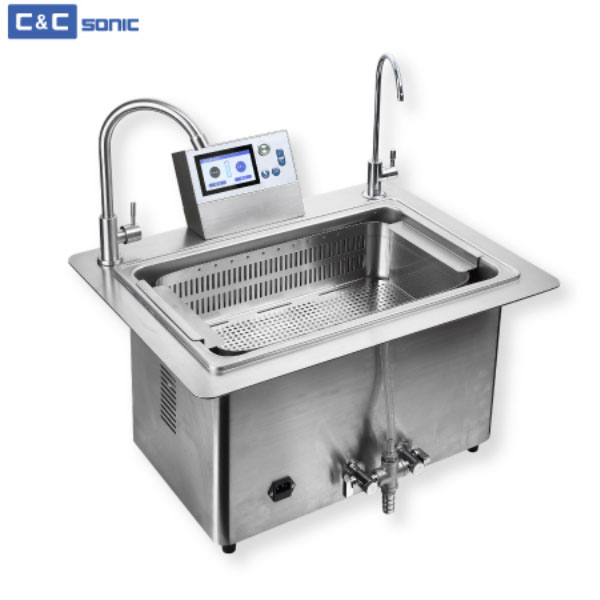
To maintain an ultrasonic cleaner, it is essential to clean the tank after each use. Drain the used cleaning solution, rinse the tank with distilled water, and wipe down the interior and exterior of the cleaner to prevent residue buildup. Regularly inspect the cleaner for any signs of wear or damage, especially the transducers and power cords.
Always use the appropriate cleaning solution for your ultrasonic cleaner. The cleaning solution should be compatible with both the items and the ultrasonic cleaner. For example, use a jewelry-specific solution for cleaning precious metals and gemstones, and a medical-grade solution for cleaning surgical tools.
The cleaning solution should be replaced regularly to ensure that the ultrasonic cleaner continues to operate efficiently. Old solutions can become contaminated, reducing their effectiveness. After each use, dispose of the old solution and refill the tank with fresh cleaning solution to maintain optimal performance.
Item Type | Recommended Cleaning Time (Minutes) |
Jewelry | 3-5 minutes |
Medical Tools | 5-10 minutes |
Small Metal Parts | 3-5 minutes |
Maintenance Task | Frequency | Notes |
Clean Tank | After each use | Prevents residue buildup |
Inspect Transducer | Monthly | Ensure it’s free from dirt or damage |
Replace Solution | After each use | Prevents contamination of new items |
Ultrasonic cleaners are highly versatile tools for cleaning a wide range of items, from delicate jewelry to industrial components. They provide precision cleaning, time and labor savings, and are eco-friendly. By choosing the right ultrasonic cleaner and maintaining it well, you ensure continued excellent results. At YESON, our ultrasonic cleaners are designed for durability and efficiency, offering top-tier solutions for various applications, including jewelry and industrial parts cleaning.
A: An ultrasonic cleaner is used to clean delicate and intricate items like jewelry, medical instruments, and electronics by using high-frequency sound waves to remove contaminants.
A: It uses sound waves to create microscopic bubbles in a liquid solution. These bubbles implode and dislodge dirt, oils, and contaminants from surfaces, providing a thorough cleaning.
A: Yes, ultrasonic cleaners are commonly used in the medical industry to sanitize surgical tools and dental instruments by removing blood, tissue, and other contaminants effectively.
A: Ultrasonic cleaning is faster, more thorough, and can clean hard-to-reach areas without physical contact, making it more efficient than manual scrubbing.