Views: 0 Author: Site Editor Publish Time: 2026-01-22 Origin: Site


Traditional cleaning methods often fail to reach the tiny crevices of delicate items. This is where the ultrasonic cleane excels. Using high-frequency sound waves, it offers a thorough cleaning process far beyond manual scrubbing. Ultrasonic cleaners generate microscopic bubbles that effectively remove contaminants from even the most intricate surfaces. In this article, we will explore how ultrasonic cleaners work, their wide range of applications, and why they are becoming indispensable across various industries.
Frequency is a key parameter in ultrasonic cleaners that determines the cleaning effectiveness and range of application. Low frequencies are suitable for heavy-duty cleaning, while higher frequencies are used for precision and delicate items. The following table illustrates the pros and cons of different frequencies in various applications.
| Frequency Range | Application | Cleaning Effectiveness | Suitable For | Remarks |
|---|---|---|---|---|
| 20 kHz - 40 kHz | Heavy-duty cleaning | High power, effective for large contaminants | Automotive parts, machinery, grease removal | Large bubbles for strong impact |
| 40 kHz - 70 kHz | General-purpose cleaning | Moderate cleaning power, balanced performance | Jewelry, watches, dental tools | Provides a good balance of energy and precision |
| 70 kHz - 400 kHz | Precision cleaning | Low power, ideal for delicate cleaning | Electronics, semiconductors, precision instruments | Small bubbles, precise but slower cleaning |
Tip: When choosing the right ultrasonic cleaner, ensure the frequency range matches the type of contaminants and delicacy of the object being cleaned.
Cavitation is the key cleaning mechanism in ultrasonic cleaners. As the ultrasonic waves create alternating high and low-pressure waves, tiny bubbles form in the solution. These bubbles grow and eventually implode, creating powerful shock waves that remove contaminants from the surface of the item being cleaned. The implosion of bubbles generates energy so intense that it breaks down oils, dirt, and other residues, reaching areas that manual scrubbing cannot.
The implosion of the bubbles creates a microscopic "scrubbing" effect on the surface being cleaned. When the bubbles collapse, they release energy equivalent to small jets of liquid. This micro-scrubbing force helps remove dirt and contaminants even from tiny cracks, crevices, and blind holes. This effect is much gentler compared to traditional cleaning methods but highly effective.
The cleaning solution plays a critical role in the efficiency of an ultrasonic cleaner. Commonly, water is used as the primary solvent, but specialized cleaning agents can be added to enhance the process. Surfactants in the solution help break down oils and greases, while the ultrasonic waves ensure that the solution penetrates all areas of the object being cleaned. The combination of sound waves and cleaning agents leads to a highly effective cleaning action.
One of the biggest advantages of ultrasonic cleaning is its ability to reach areas that manual cleaning cannot, such as blind holes and fine crevices. The following table demonstrates the penetration capability of ultrasonic cleaning on different parts, helping to select the appropriate cleaner.
| Component Type | Penetration Efficiency | Cleaning Depth | Remarks |
|---|---|---|---|
| Blind Holes | High | 5-10 mm | Effective even in deeper holes |
| Fine Crevices | Very High | 2-5 mm | Ultrasonic waves can reach tiny gaps |
| Smooth Surfaces | Moderate | 1-2 mm | Lower efficiency in wide open surfaces |
Tip: For intricate parts with blind holes or tight gaps, select a cleaner with a higher frequency for better penetration into fine areas.
The frequency of ultrasonic waves plays a crucial role in determining the effectiveness of the cleaning process. Lower frequencies, typically below 40 kHz, create larger bubbles with greater energy, making them suitable for cleaning tough, large contaminants like grease and oil. On the other hand, higher frequencies, such as those above 70 kHz, generate smaller bubbles, offering finer, more delicate cleaning for fragile parts like electronics or jewelry. The choice of frequency allows users to tailor the ultrasonic cleaner to specific cleaning needs.

Ultrasonic cleaners are known for their consistency in cleaning, regardless of the shape or complexity of the object. Unlike manual scrubbing, where inconsistencies can occur, ultrasonic cleaning ensures that every surface is treated evenly. The microscopic bubbles penetrate all surfaces, ensuring that even the most intricate parts are thoroughly cleaned, leaving no residues or contaminants behind.
One of the main reasons industries are adopting ultrasonic cleaning is its efficiency. Traditional cleaning methods, such as scrubbing or soaking, can take significant time, especially for complex parts. Ultrasonic cleaners, however, can clean multiple objects simultaneously in a fraction of the time. This not only saves time but also reduces labor costs, making it a highly cost-effective solution for high-volume cleaning tasks.
Traditional cleaning methods often involve physical contact, which can lead to scratches, wear, or damage to delicate items. Ultrasonic cleaning, being a non-contact method, avoids this issue. The cleaning process relies on the power of sound waves rather than physical brushing, making it ideal for expensive or fragile items such as electronics, watches, or medical instruments.
In the automotive industry, ultrasonic cleaners are used to clean components like carburetors, injectors, and engine parts. These parts often accumulate grease, oil, and other contaminants, which can affect their performance. Ultrasonic cleaning efficiently removes these oils and residues, ensuring that the parts are restored to their optimal working condition without causing any damage to the delicate components.
Aerospace parts, especially hydraulic components and complex tubing, require the highest levels of cleanliness to ensure safety and performance. Ultrasonic cleaners can remove contaminants such as dust, grease, and oils from these precision parts, meeting the stringent cleanliness standards required in the aerospace industry. The ability to clean intricate parts with minimal risk of damage makes ultrasonic cleaning indispensable in this sector.
Electronics and semiconductor manufacturing demand exceptionally clean components to ensure the functionality and longevity of devices. Ultrasonic cleaners are used to remove solder residues, flux, and dust from printed circuit boards (PCBs) and microelectronic components. The cleaning process is gentle yet highly effective, ensuring that sensitive components are not damaged while maintaining high standards of cleanliness.
In the medical field, cleanliness is paramount. Ultrasonic cleaners are widely used to clean dental and surgical instruments before they are sterilized. The cleaning process removes biological contaminants, such as blood and tissue, from complex tools that manual cleaning methods cannot reach. This ensures that instruments are thoroughly prepared for the next stage of sterilization, meeting high hygiene standards.
In laboratories, residual chemicals or contaminants in glassware can affect the accuracy of experiments. Ultrasonic cleaning effectively removes these residues from test tubes, beakers, and other laboratory instruments. This ensures that laboratory equipment is properly cleaned, preventing contamination that could compromise experimental results.
In pharmaceutical production, maintaining a pristine, contamination-free environment is crucial. Ultrasonic cleaners are used to clean production equipment, ensuring that it remains free from contaminants that could affect the quality and safety of pharmaceutical products. The ultrasonic cleaning process meets strict regulatory standards, ensuring compliance with hygiene requirements.
Ultrasonic cleaners are essential tools in the jewelry industry for restoring the original brilliance of gold, diamonds, and other precious metals. The ultrasonic waves gently remove dirt, oils, and tarnish from intricate jewelry pieces, allowing them to shine like new. Similarly, watchmakers use ultrasonic cleaners to clean watch chains and delicate components, ensuring that each piece maintains its aesthetic appeal.
Eyewear and optical instruments, such as microscopes and camera lenses, require frequent cleaning to remove oils, dirt, and debris that accumulate over time. Ultrasonic cleaners provide a safe and efficient way to clean these items, reaching the tight spaces between lenses and frames without causing damage.
Ultrasonic cleaners are not limited to industrial applications. They are also used for personal care items, such as cleaning dentures and personal grooming tools. Additionally, they are perfect for cleaning collectible items, such as coins, restoring their appearance and preserving their value. The versatility of ultrasonic cleaners makes them an indispensable tool in everyday life.
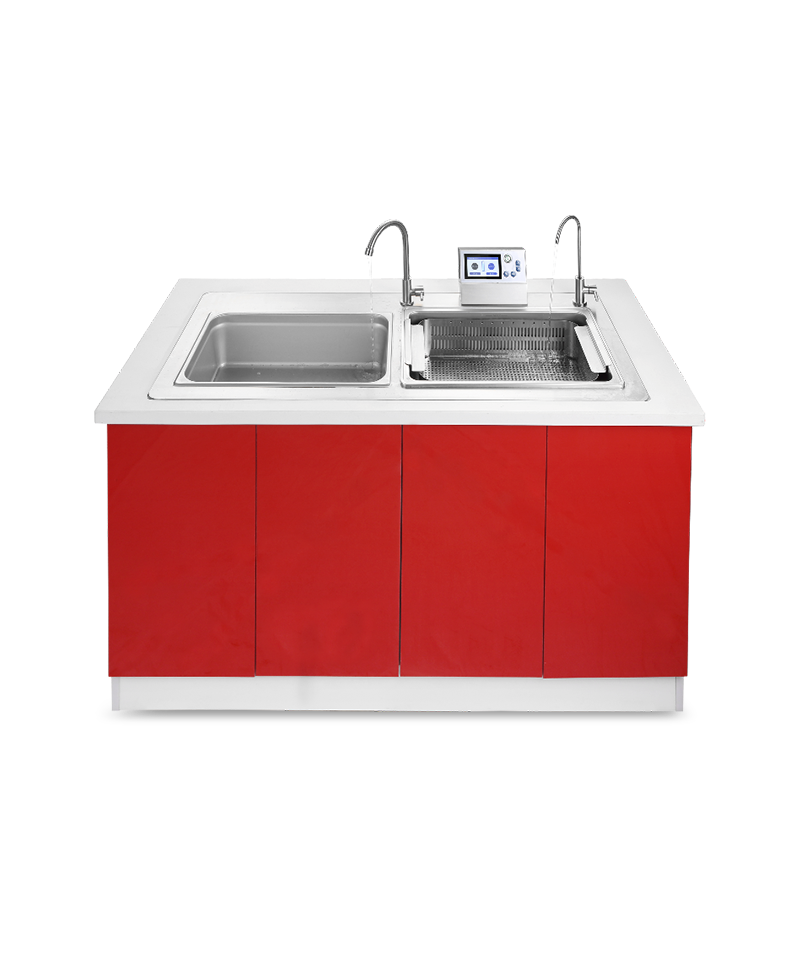
Choosing the right ultrasonic cleaner requires evaluating the capacity and tank size based on the volume and complexity of the items. For smaller objects like jewelry, watches, and dental tools, a compact cleaner with a smaller tank is ideal. However, for larger parts such as automotive components or industrial machinery, a larger tank with greater capacity is essential. A correctly sized tank ensures that the cleaning solution covers all surfaces of the items, preventing incomplete cleaning and optimizing the ultrasonic wave penetration.
The effectiveness of an ultrasonic cleaner is enhanced significantly when it includes heating functions and adjustable power controls. Heated cleaning solutions improve the breakdown of oils and grease, especially for tough contaminants. The ability to adjust the temperature helps in fine-tuning the cleaning process, preventing damage to sensitive components. Additionally, adjustable power allows for customization of cleaning intensity based on the item’s material, ensuring that delicate items are cleaned without risk of damage, while tougher components benefit from more vigorous cleaning.
The materials used in ultrasonic cleaners play a significant role in their performance and durability. Stainless steel is the most common material due to its resistance to corrosion and ability to withstand high-frequency vibrations. The table below compares the various materials used in ultrasonic cleaner construction.
| Material Type | Durability | Corrosion Resistance | Common Use | Advantages | Disadvantages |
|---|---|---|---|---|---|
| Stainless Steel (SUS304/316) | High | Excellent | High-end industrial models, medical equipment | Corrosion-resistant, long-lasting, withstands high-frequency vibrations | Can be more expensive |
| Aluminum | Moderate | Moderate | Small, budget models | Lightweight, cost-effective | Less durable, may corrode over time |
| Plastic | Low | Low | Low-end, portable models | Low cost, easy to shape | Susceptible to wear, may not withstand heat |
| Titanium | Very High | Exceptional | Aerospace, high-end components | Strong, lightweight, and corrosion-resistant | Expensive, not commonly used in all models |
Tip: For high-performance cleaning and durability, choose models made from stainless steel, especially for industrial or medical applications where reliability is critical.
Ultrasonic cleaners have revolutionized cleaning technology by using high-frequency sound waves to precisely clean delicate and intricate items. Their ability to clean hard-to-reach areas without causing damage has made them essential across many industries, from manufacturing and medical fields to everyday applications such as jewelry and eyewear cleaning. With advancements in frequency control, ultrasonic cleaners will play an increasingly important role in fields requiring the highest cleaning standards, such as semiconductors, pharmaceuticals, and aerospace. Investing in a high-quality ultrasonic cleaner, like those offered by NINGBO HAISHU YESON MEDICAL DEVICE CO., LTD., ensures enhanced cleaning standards, protection of precision assets, and greater operational efficiency across a wide range of applications.
A: An ultrasonic cleaner is a device that uses high-frequency sound waves to clean delicate and intricate items by generating microscopic bubbles that dislodge contaminants without damaging the surfaces.
A: An ultrasonic cleaner works by converting electrical energy into mechanical vibrations, creating cavitation bubbles in a cleaning solution that remove dirt, grease, and other contaminants from the surface of objects.
A: Ultrasonic cleaners offer precise, non-contact cleaning, making them ideal for items with intricate parts, such as jewelry, medical tools, and electronics, ensuring thorough cleaning without causing damage.
A: Yes, an ultrasonic cleaner is particularly effective at cleaning delicate items like jewelry and electronics, reaching areas that are difficult to clean manually without risk of damage.
A: The cost of an ultrasonic cleaner can vary based on size, features, and brand. Prices typically range from $50 for small models to several hundred dollars for industrial-grade machines.
A: Items with loose stones or delicate components, like some types of pearls or certain watches, should be avoided, as ultrasonic cleaning may cause damage to these materials.