Views: 0 Author: Site Editor Publish Time: 2025-12-29 Origin: Site


Autoclaves play a vital role in sterilizing materials across various industries. They are crucial for maintaining hygiene and preventing contamination.
In this article, we will explore the purpose of an autoclave sterilizer. You will learn how autoclaves ensure safety and sterility in healthcare, research, and industrial applications.
An autoclave sterilizer is a high-pressure vessel that uses steam to eliminate harmful microorganisms such as bacteria, viruses, fungi, and spores from equipment and materials. It operates by applying high-pressure saturated steam at temperatures ranging from 250°F to 275°F (121°C to 135°C). This process effectively kills pathogens, ensuring the sterility and safety of the items inside the autoclave.
Steam sterilization works by combining high heat, moisture, and pressure to destroy the protein structures of microorganisms, rendering them inactive. Steam is highly efficient at transferring heat because it contains more energy than air at the same temperature, making it an ideal medium for sterilization. The condensation of steam onto cooler surfaces releases this energy, penetrating and sterilizing materials more effectively than dry heat.
Autoclaves are crucial in many industries, ensuring the sterility of equipment and materials. In healthcare, they are used to sterilize surgical instruments and medical devices, preventing infections. In research laboratories, autoclaves sterilize tools and biohazardous waste, ensuring safety in scientific experiments. The food and beverage industry also relies on autoclaves to sterilize packaged products, guaranteeing safety for consumption and extending shelf life.
Efficiency: Steam sterilization is one of the most reliable and effective methods for eliminating harmful microorganisms, ensuring a high level of sterility.
Speed: Compared to dry heat, steam sterilization is faster due to its superior heat transfer properties, making it ideal for environments that require quick sterilization.
Wide Application: Autoclaves can sterilize a diverse range of materials, including glassware, metals, plastics, textiles, and even biohazardous waste, making them versatile tools for many industries.
In healthcare and laboratory environments, autoclaves are crucial for sterilizing instruments, equipment, and biohazardous materials. They use high-pressure steam to eliminate harmful pathogens, ensuring that medical tools and laboratory equipment are free from contamination. This process is vital for preventing infections during critical procedures and for promoting overall patient safety. The function of an autoclave sterilizer guarantees that items used in surgeries, treatments, and experiments are safe and hygienic.
Autoclaves play an essential role in academic and research settings, where cleanliness and sterilization are paramount. In laboratories, autoclaves are used to sterilize tools, glassware, and growth media, ensuring that no microbial contamination interferes with experiments. In the biotech field, autoclaves are equally important for sterilizing instruments, equipment, and even biohazardous waste, thus maintaining the integrity of research. By eliminating harmful microorganisms, autoclaves prevent cross-contamination and ensure that research outcomes are accurate and reliable.
In industrial sectors like manufacturing and food processing, autoclaves are vital for sterilizing materials and products that may come into contact with bacteria or fungi. For instance, they are used in food packaging to sterilize containers, ensuring the safety of consumable products. Additionally, autoclaves help maintain the quality and safety of tools, packaging materials, and other industrial items by preventing the growth of harmful microorganisms. This function of an autoclave sterilizer is key in maintaining product quality and protecting both workers and consumers.
Autoclaves contribute significantly to public health and safety by ensuring that medical tools, research materials, and even food products are thoroughly sterilized. In healthcare, they help reduce the spread of infections by sterilizing surgical instruments and medical devices. In food production, autoclaves prevent contamination of packaged goods, ensuring that they are safe for consumption. By ensuring the sterility of materials across various industries, autoclaves support a healthier, safer environment for both individuals and communities.
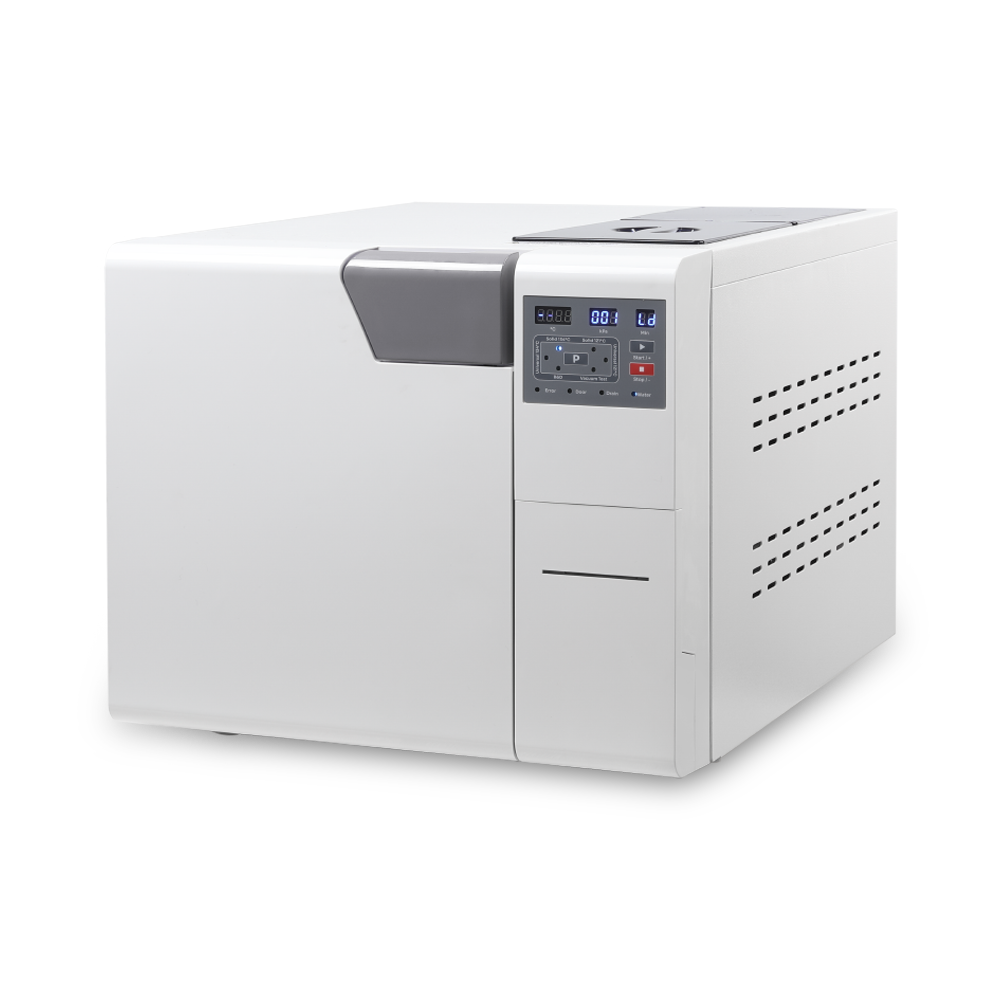
Gravity displacement autoclaves use gravity to displace air from the chamber, allowing steam to fill the chamber and effectively sterilize the contents. This simple but efficient cycle is ideal for sterilizing solid, non-porous items such as glassware, metal tools, and unwrapped medical instruments. The cycle relies on the natural flow of steam to penetrate materials and eliminate pathogens. These autoclaves are commonly used in healthcare settings, research laboratories, and industries where basic sterilization is required for non-porous materials.
Pre-vacuum autoclaves feature a vacuum system that removes air from the chamber before introducing steam. This ensures that the steam can penetrate deeply into wrapped or porous materials, such as textiles, surgical instruments, and other delicate items. The ability to remove air helps steam reach all surfaces of the materials being sterilized, enhancing the effectiveness of the sterilization cycle. Pre-vacuum autoclaves are ideal for industries like healthcare and biotech, where sterilizing complex, wrapped, or porous materials is essential to ensure sterility.
Liquid Autoclaves: These autoclaves are specifically designed to sterilize liquids, such as nutrient broths, water, and other fluid-based substances used in laboratories or medical settings. The sterilization cycle in liquid autoclaves ensures that the liquids are treated without causing them to boil over or become contaminated during the process.
Immediate-Use Autoclaves: Immediate-use autoclaves, also known as flash sterilizers, are used for rapid sterilization of unwrapped items or tools that need to be sterilized on demand. These autoclaves operate at higher temperatures to quickly sterilize items, making them ideal for situations where quick turnaround is critical, such as in operating rooms or emergency situations.
Autoclave Type | Description | Common Applications |
Vertical Autoclaves | Ideal for sterilizing tall items like long laboratory instruments or large containers. Vertical design saves space and optimizes efficiency. | Research labs, healthcare facilities |
Horizontal Autoclaves | Designed for high-capacity sterilization, allowing larger loads to be processed at once. Horizontal design supports large-volume sterilization. | Industrial settings, pharmaceutical environments |
Pass-Through Autoclaves | Features doors on both sides of the chamber to allow sterilization without cross-contamination. Ideal for environments with strict separation. | Hospitals, laboratories, pharmaceutical facilities |
This table provides a concise summary of the different autoclave configurations, their purposes, and typical applications across industries.
Autoclave sterilization follows a detailed, three-phase process to ensure that items are thoroughly sterilized and free from harmful microorganisms.
During this phase, air is removed from the chamber, and steam is introduced. This step is essential for creating the right environment for effective sterilization. The removal of air ensures that the steam can evenly penetrate all surfaces of the materials inside.
In this phase, steam is held at the desired temperature and pressure for a specific duration. This ensures that the materials inside the autoclave reach the necessary conditions to destroy microorganisms and prevent contamination.
Once sterilization is complete, the pressure is released, and steam is vented out. The chamber then returns to normal pressure, allowing the load to dry and preparing the items for safe removal.
Steam sterilization works by utilizing the heat energy from steam to break down the protein structures of microorganisms. Steam is an efficient medium for heat transfer, as it releases a significant amount of energy when it condenses back into water. This energy directly impacts the items inside the autoclave, destroying microorganisms more effectively than dry heat or air. The combination of high temperature, pressure, and moisture makes steam sterilization one of the most reliable methods for achieving sterility.
Autoclaves are versatile tools capable of sterilizing a wide variety of materials. However, not all materials can withstand the high temperatures and pressure inside an autoclave. Here are some materials that can be safely sterilized:
Material Type | Examples | Key Notes |
Glassware | Beakers, test tubes, petri dishes | Ensure glass is crack-free before sterilizing. |
Metals | Surgical instruments, metal trays | Rinse to remove any debris before autoclaving. |
Plastics | Polypropylene, polycarbonate, fluoropolymers | Use low-temperature cycles for sensitive plastics. |
Textiles | Surgical gowns, towels, drapes | Ensure proper packaging for steam penetration. |
Biohazardous Materials | Contaminated tools, waste materials, culture plates | Use appropriate packaging for safe handling. |
Effective sterilization depends on several critical factors. These factors ensure that the autoclave operates optimally, delivering reliable and efficient results.
● Temperature: Autoclaves typically operate between 250°F and 275°F (121°C to 135°C). The precise temperature is crucial for effective sterilization.
● Pressure: Sufficient pressure is necessary to ensure that steam can penetrate all materials inside the chamber, especially porous or wrapped items.
● Exposure Time: The time spent at the desired temperature is essential for ensuring thorough sterilization. If items are not exposed long enough, sterilization may be incomplete.
By carefully controlling these factors, autoclaves ensure that items are safely sterilized without compromising their integrity.
Recent advancements include automated cycles, energy-efficient models, and data logging features. These improvements increase the reliability and efficiency of autoclaves, ensuring that sterilization processes are optimized.
Energy-efficient autoclaves consume less water and electricity, reducing operational costs over time. Features like auto-idle shutoff and steam recovery contribute to these savings, making modern autoclaves more sustainable.
The future of autoclaves includes AI integration, predictive maintenance, and further improvements in energy efficiency. These advancements promise smarter sterilization processes and enhanced safety protocols, paving the way for even more efficient operations.
Common challenges such as incomplete sterilization or equipment malfunctions can be mitigated by following proper maintenance schedules and using advanced cycles tailored to specific materials.
Autoclaves are designed to meet industry standards for sterilization, ensuring that they are compliant with regulations like those set by the FDA and other health authorities.
Routine maintenance is essential for ensuring that autoclaves operate effectively and safely. Regular inspections and replacing worn parts can help avoid costly repairs and minimize downtime.
● Ensure the chamber door is properly sealed.
● Check steam quality and pressure readings.
● Regularly clean and disinfect the autoclave to prevent buildup.
Autoclaves are essential for ensuring hygiene and safety across various sectors. They play a critical role in sterilizing equipment and materials, making them indispensable in healthcare, research, and industrial environments.
As technology advances, autoclaves are becoming more efficient, cost-effective, and user-friendly. This allows them to meet the growing needs of healthcare and industry.
At NINGBO HAISHU YESON MEDICAL DEVICE CO., LTD. our autoclave sterilizers offer high-quality performance, ensuring reliable sterilization solutions for healthcare facilities and industrial applications.
A: The purpose of an autoclave sterilizer is to eliminate harmful microorganisms from equipment and materials using high-pressure steam, ensuring safety and sterility.
A: Autoclaves are essential in healthcare for sterilizing surgical instruments, medical devices, and lab equipment, preventing infections and ensuring patient safety.
A: In research, the function of an autoclave sterilizer ensures that lab equipment and biohazardous waste are safely sterilized to maintain a contamination-free environment.
A: Autoclave sterilizers can sterilize materials like glassware, metals, plastics, textiles, and biohazardous waste, ensuring they are safe for use.
A: The purpose of an autoclave sterilizer is to provide efficient steam sterilization, which is faster and more reliable than dry heat or chemical methods.