Views: 0 Author: Site Editor Publish Time: 2026-03-03 Origin: Site


Can one unsterilized tool harm an entire clinic? In busy animal hospitals, germs spread fast. Manual cleaning cannot remove every hidden microorganism. A veterinary autoclave solves this critical problem through high-pressure steam sterilization. In this article, you will learn what a veterinary autoclave is, how it works, and how to choose the right system for modern veterinary practice.
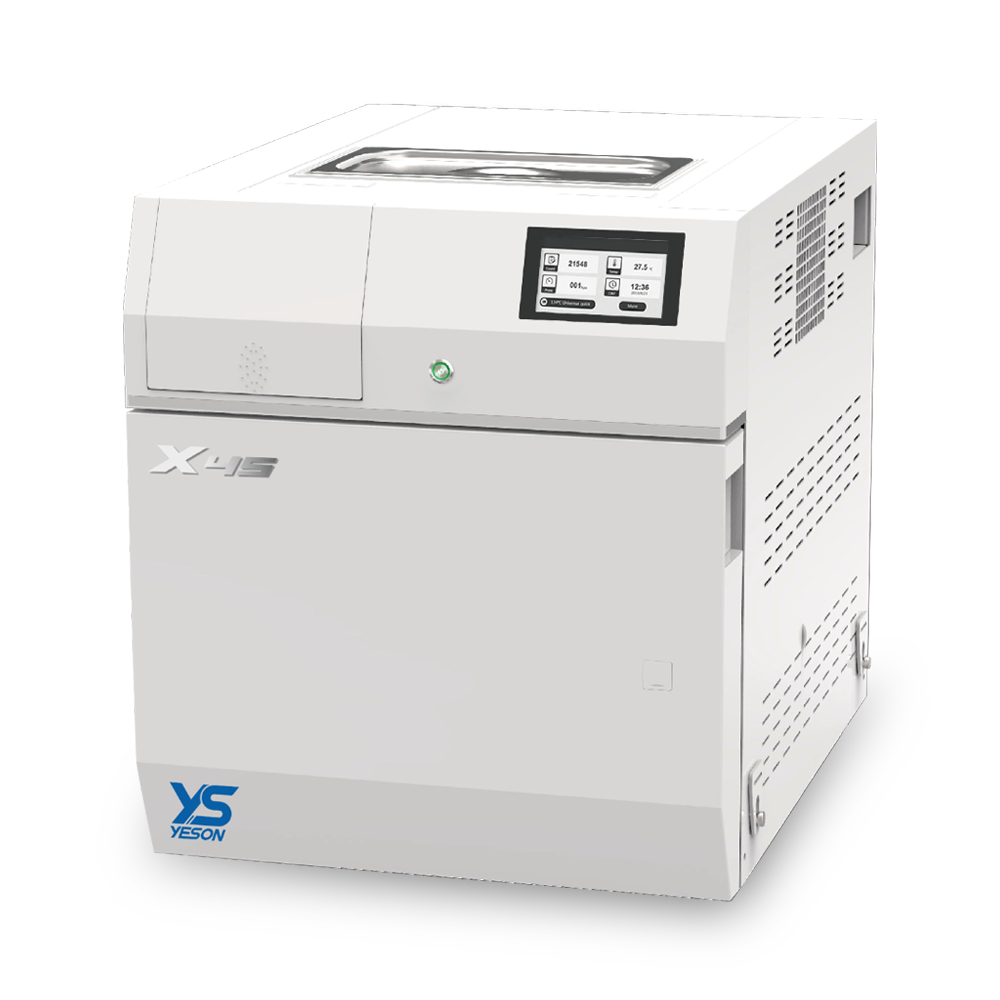
A veterinary autoclave is a steam sterilizer specifically designed for use in animal hospitals and veterinary clinics, where it sterilizes surgical instruments, dental tools, gowns, drapes, wrapped packs, and certain types of medical waste using high-pressure saturated steam. Although the fundamental sterilization principle is similar to hospital autoclaves used in human healthcare, veterinary models are typically engineered for compact clinic environments, faster turnover cycles, and flexible loading configurations that accommodate a wide range of veterinary instruments including orthopedic kits and dental cassettes.
Its primary purpose is to eliminate microorganisms through validated steam exposure under controlled temperature and pressure conditions, allowing clinics to safely reuse valuable instruments while maintaining strict infection control standards that meet professional expectations.
Steam sterilization operates by exposing instruments to saturated steam at elevated temperatures and pressures, commonly ranging from 121°C at 15 psi to 132–134°C at higher pressure levels depending on the selected cycle. Pressure increases the boiling point of water, allowing steam to reach temperatures sufficient to destroy highly resistant bacterial spores that would otherwise survive lower heat exposure.
Moist heat transfers energy efficiently because steam condenses on cooler instrument surfaces, releasing latent heat that penetrates materials and causes coagulation and denaturation of microbial proteins, which ultimately destroys cellular structure and prevents survival. This reliable mechanism explains why steam sterilization remains the gold standard method in veterinary medicine.
A typical veterinary autoclave cycle includes three coordinated phases that ensure consistent sterilization performance. During the air removal phase, air is displaced from the chamber either by gravity or by a vacuum pump in advanced systems, allowing steam to fully contact all surfaces. The exposure phase follows, during which the chamber maintains a target temperature for a specific duration such as 13–30 minutes at 121°C or 3–4 minutes at 132°C for flash sterilization cycles. The final drying and cooldown phase removes residual moisture and reduces temperature to safe handling levels, ensuring instruments remain sterile and ready for use or storage.
Most cycles are completed within 20 to 45 minutes depending on load size and autoclave type, enabling clinics to maintain steady instrument availability throughout the day.
Veterinary autoclaves effectively sterilize stainless steel surgical instruments, wrapped surgical packs, textiles, dental equipment, and certain heat-resistant plastics; however, they are not suitable for oils, greases, delicate electronics, optical lenses, or heat-sensitive polymers that may deform or degrade under high temperature and pressure conditions. When instruments cannot tolerate steam exposure, clinics must rely on alternative sterilization technologies to preserve equipment integrity while ensuring safety.
Veterinary clinics commonly choose among gravity displacement, pre-vacuum (Class B), and steam pulsing sterilizers, each offering different capabilities in terms of air removal efficiency and load compatibility.
Type | Air Removal Method | Speed | Suitable Loads |
Gravity Displacement | Steam pushes air downward | Moderate | Solid instruments |
Pre-Vacuum (Class B) | Vacuum pump removes air | Fast | Wrapped, porous, lumen loads |
Steam Pulsing | Pressure pulses displace air | Medium | Limited porous loads |
Pre-vacuum Class B veterinary autoclaves provide superior air removal and steam penetration, making them ideal for wrapped packs, porous materials, and narrow-lumen instruments that require thorough internal sterilization.
Standard sterilization cycles process wrapped packs and routine loads while allowing safe storage after completion, whereas flash sterilization uses higher temperatures for shorter durations to rapidly sterilize unwrapped instruments needed immediately during emergencies. Although flash sterilization provides valuable rapid turnaround, it does not permit storage and should be reserved for urgent clinical situations.
Pathogens present in blood, tissue, and organic debris may survive on improperly sterilized instruments for extended periods, creating a risk of cross-contamination between patients. A veterinary autoclave eliminates this risk by delivering validated steam sterilization cycles that meet biosafety standards and protect vulnerable animals undergoing surgical procedures.
While the initial investment in a veterinary autoclave may appear significant, long-term financial analysis often demonstrates measurable savings due to reduced disposable instrument purchases, lower hazardous waste disposal fees, and extended instrument lifespan.
Cost Factor | Without Autoclave | With Autoclave |
Disposable instruments | High recurring cost | Reduced |
Waste disposal | Ongoing expense | Lower volume |
Instrument replacement | Frequent | Less frequent |
Over several years, these cost reductions can offset the initial purchase expense and improve overall profitability (validation required).
Automatic veterinary autoclaves enable staff to load instruments, select preset cycles, and continue patient care tasks without constant supervision, which increases productivity and reduces labor demands associated with manual sterilization monitoring. Faster turnaround prevents surgical delays and supports consistent clinical operations.
Pet owners expect hospital-level hygiene, and clinics that demonstrate professional sterilization protocols supported by modern autoclave systems build stronger trust, enhance credibility, and differentiate themselves in competitive markets.
Selecting the correct chamber size depends on surgical volume, instrument diversity, and available space, as smaller 18–25L units suit low-volume clinics, extended 23L chambers accommodate longer orthopedic tools, and 60L or larger systems serve high-volume hospitals performing multiple procedures daily. Evaluating tray configuration and load capacity ensures optimal workflow efficiency.
Non-vacuum autoclaves may handle simple solid instruments, but pre-vacuum Class B systems provide superior air removal and steam penetration, making them better suited for wrapped and porous loads while offering long-term flexibility for expanding services.
Manual models feature simpler mechanical systems that may reduce electronic repair complexity, whereas automatic veterinary autoclaves enhance ease of use, minimize human error, and provide consistent cycle performance that benefits high-volume clinical environments despite potentially higher technical servicing requirements.
Autoclaves can operate reliably for decades with proper maintenance, but clinics considering refurbished units should verify service history, warranty status, and spare part availability to ensure long-term support, while new systems often deliver improved energy efficiency and updated compliance features.
Mineral buildup caused by impure water can damage heating elements, reduce cycle reliability, and shorten equipment lifespan, making water quality management a critical aspect of veterinary autoclave performance.
Deionization systems remove impurities through resin filtration and may include sediment and hollow fiber filters that eliminate particulates and bacterial contaminants, offering cost-effective and environmentally sustainable alternatives to bottled distilled water.
Proper installation requires adequate electrical capacity, drainage access, ventilation, and structural support for the equipment, and insufficient planning may lead to unexpected facility upgrades or operational limitations.
Indicator tape confirms exposure to high temperature but does not guarantee sterility, so it should be used only as a basic operational check.
Indicator strips placed within dense packs provide stronger validation by responding to both temperature and steam penetration.
Biological indicators containing resistant spores serve as the gold standard for verifying sterilization effectiveness, and many clinics perform weekly testing to maintain compliance and documentation records (validation required).
Comment: Maintain detailed sterilization logs to support audits and liability protection.
Cold sterilization using aldehydes may be necessary for endoscopes and sensitive anesthetic components, while ethylene oxide gas and hydrogen peroxide plasma systems offer alternatives for heat-sensitive equipment though they involve longer processing times or material limitations; advanced facilities may combine multiple sterilization methods to ensure comprehensive instrument coverage.

Routine chamber cleaning, gasket inspection, valve checks, and adherence to manufacturer-recommended maintenance schedules preserve sterilization reliability and extend equipment lifespan, while proactive repair planning and access to qualified technical support minimize downtime that could disrupt surgical scheduling. Modern veterinary autoclaves often incorporate automatic door locks, pressure interlocks, temperature monitoring systems, and energy-saving features that enhance both safety and operational efficiency.
Select models equipped with advanced safety interlocks to protect staff from steam-related hazards.
A veterinary autoclave is a cornerstone of safe animal healthcare because it prevents infection, improves workflow efficiency, reduces long-term operating costs, and reinforces professional credibility across modern veterinary practices. By carefully evaluating chamber capacity, sterilization class, automation features, water quality management, and service support, clinics can select equipment that aligns with both current operational demands and long-term expansion plans. Manufacturers such as NINGBO HAISHU YESON MEDICAL DEVICE CO., LTD. play an important role in supporting veterinary facilities by providing reliable sterilization solutions designed to meet clinical performance standards and practical workflow needs. Reliable sterilization is not optional in veterinary medicine; it defines the standard of care, strengthens professional accountability, and builds lasting trust between veterinarians and the clients who depend on them for safe and effective animal treatment.
A: A veterinary autoclave is a steam sterilizer used in animal clinics to eliminate bacteria, viruses, and spores from surgical instruments and medical materials through high-pressure steam cycles.
A: A veterinary autoclave works by generating saturated steam at high temperatures, typically 121–134°C, which penetrates instruments and destroys microorganisms through protein coagulation.
A: A veterinary autoclave prevents cross-contamination, protects animal patients, supports regulatory compliance, and ensures sterile instruments for safe surgical procedures.
A: A veterinary autoclave can sterilize stainless steel instruments, dental kits, wrapped surgical packs, and certain heat-resistant materials commonly used in animal healthcare.
A: A Class B veterinary autoclave uses a vacuum pump for better air removal and steam penetration, making it suitable for porous and wrapped loads compared to non-vacuum models.